Introduction
The course we have designed at our workshop is based on several ideas that we find very interesting and that, after years of experience in the field, we believe can be truly valuable to our students.
-The first idea we have is adapting to our students.
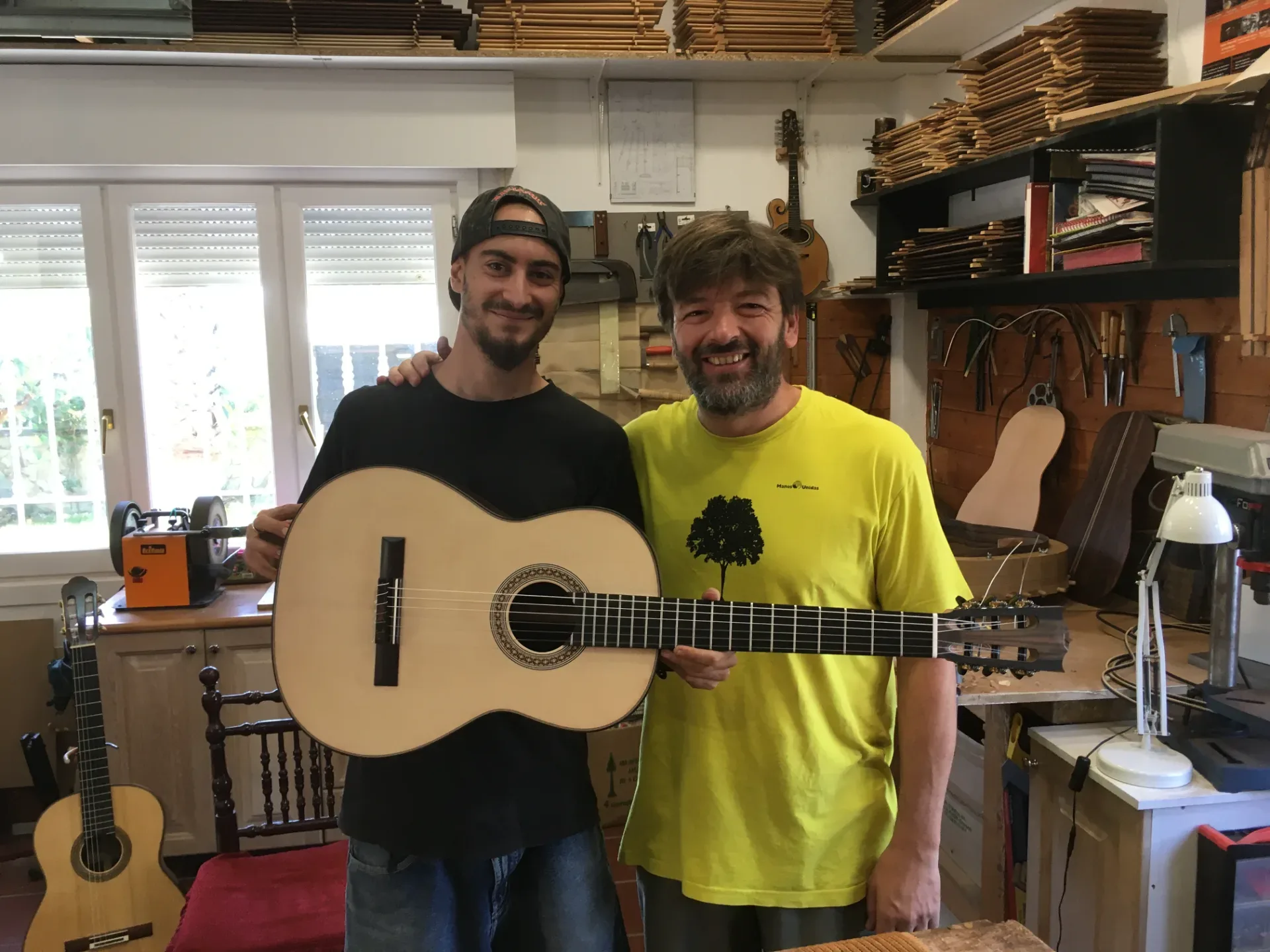
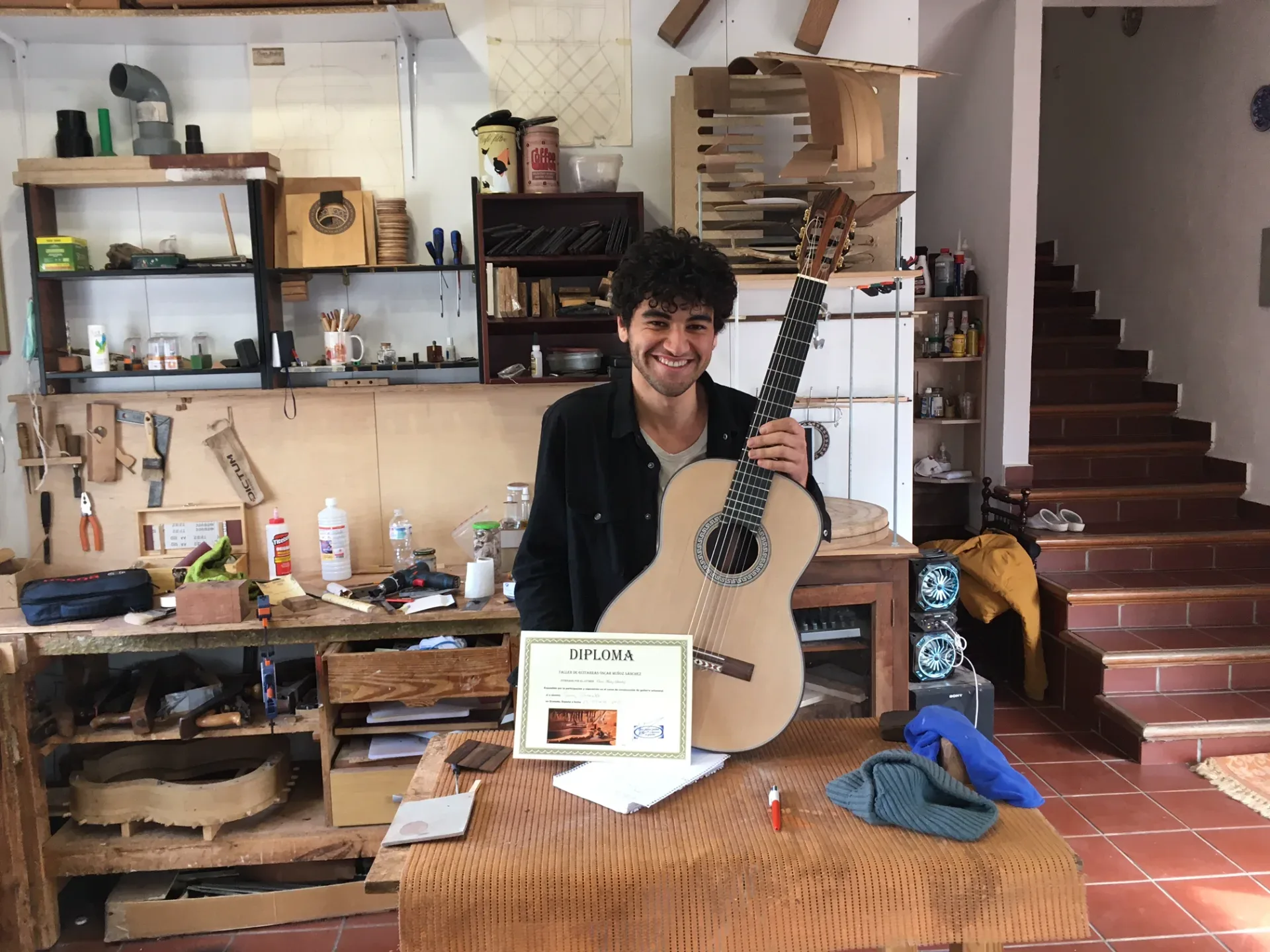
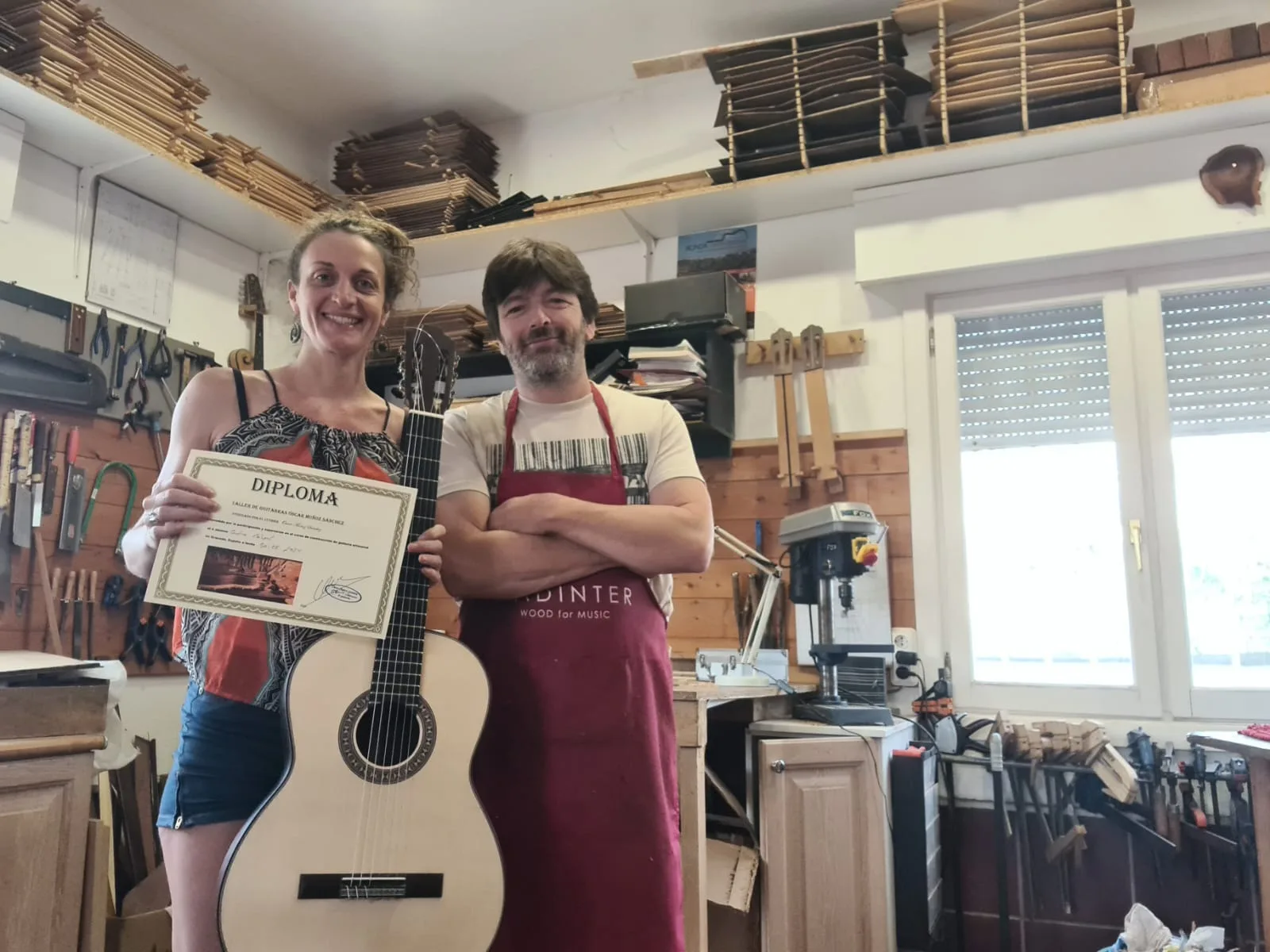
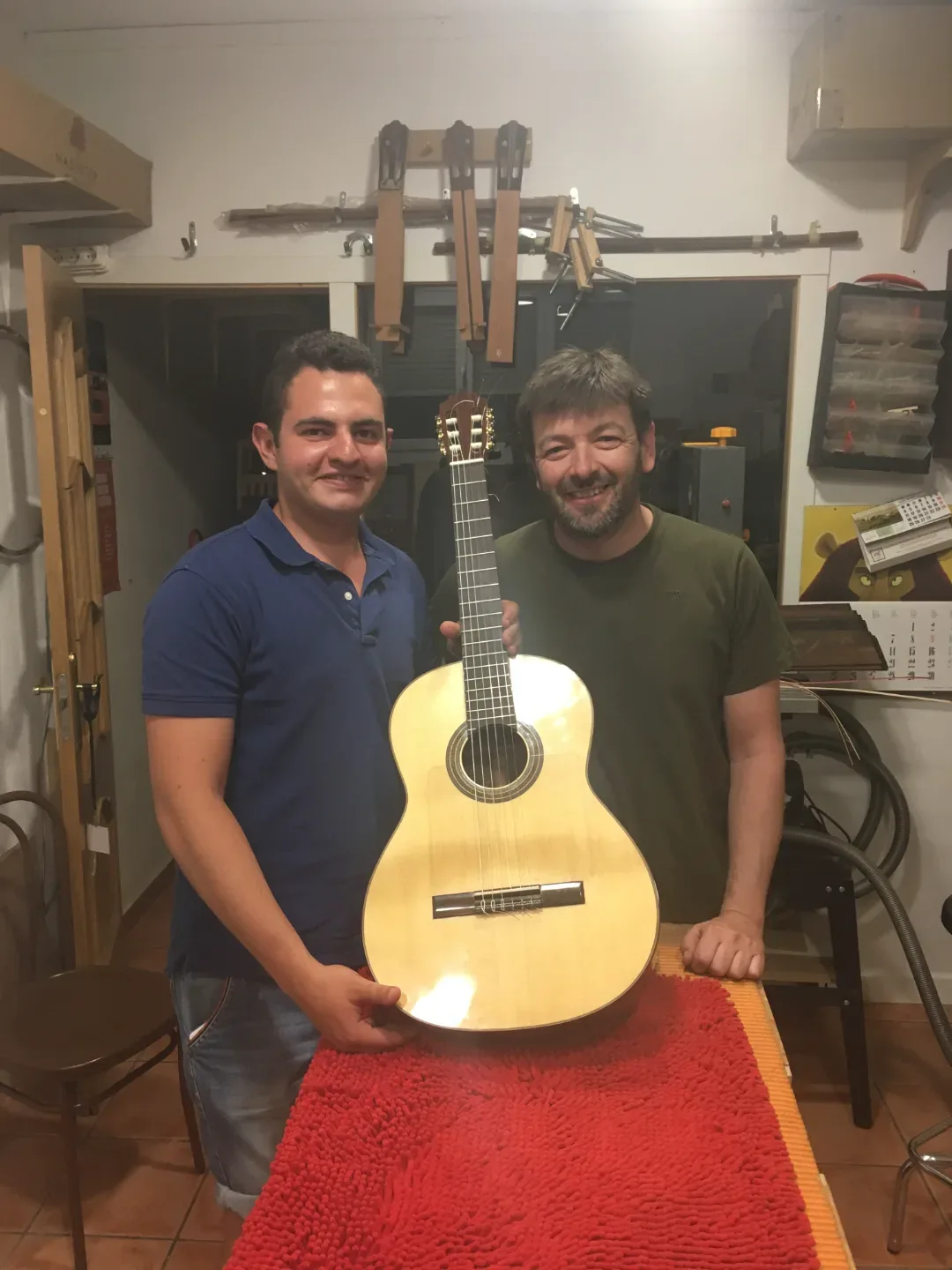
his is essential, as it is very important to adapt to the knowledge our students already possess before the course begins, such as: knowledge of the instrument, experience working with wood or using their hands, previous projects, and even people who are already familiar with the craft and wish to expand their knowledge to take their skills to the next level, or simply to enjoy the experience of building their own instrument. To this end, we hold an initial meeting where we plan the curriculum and tailor the course so that students get the most out of it and, of course, have a very positive experience. This approach means we can only admit a maximum of two students per course.
-The second principle is to provide a realistic approach to the craft.
This involves teaching our students to be self-reliant so that, once the course is over, they’ll be able to start building their own guitars and continue to develop their skills. To achieve this, we’ve adapted the curriculum to provide them with the maximum resources—from where to source quality wood, to how to set up their new workshop, to how to approach entering the market.
-The third idea is to take a truly artisanal approach.
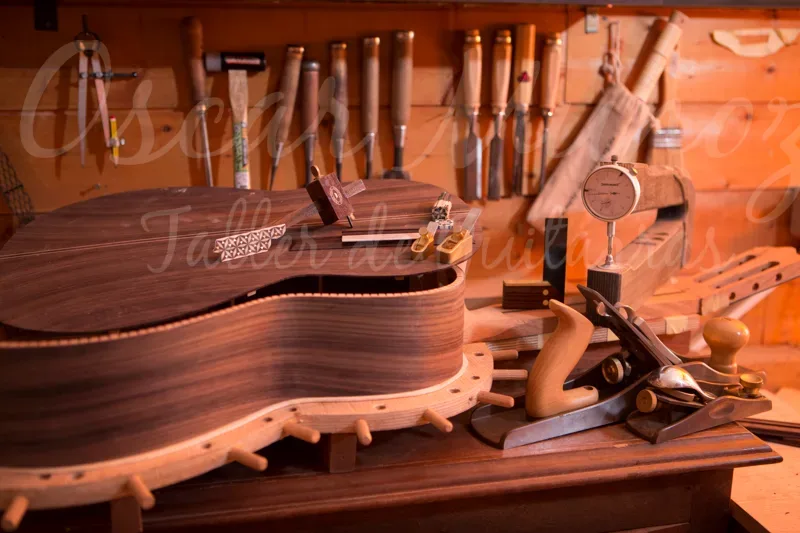
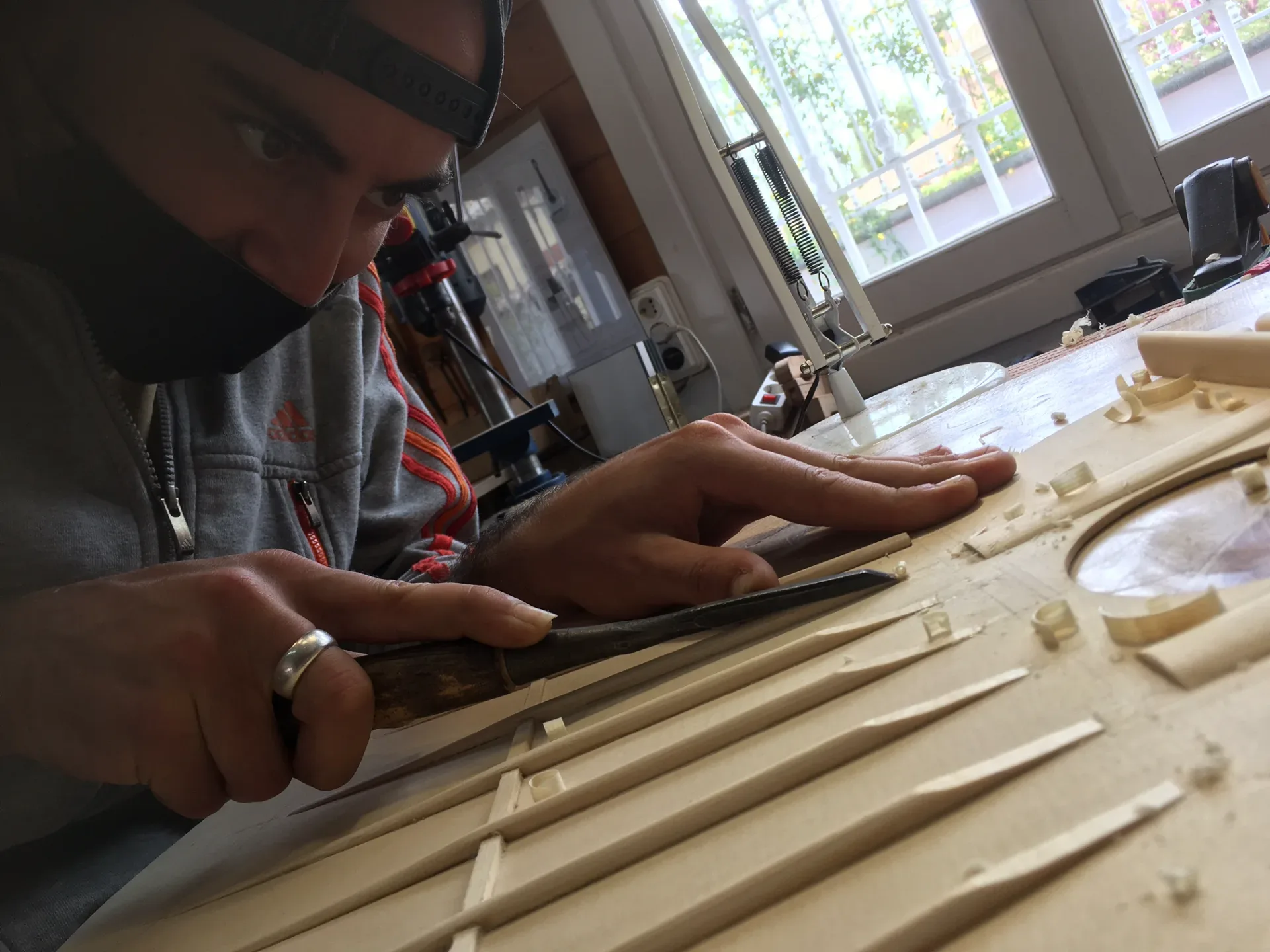
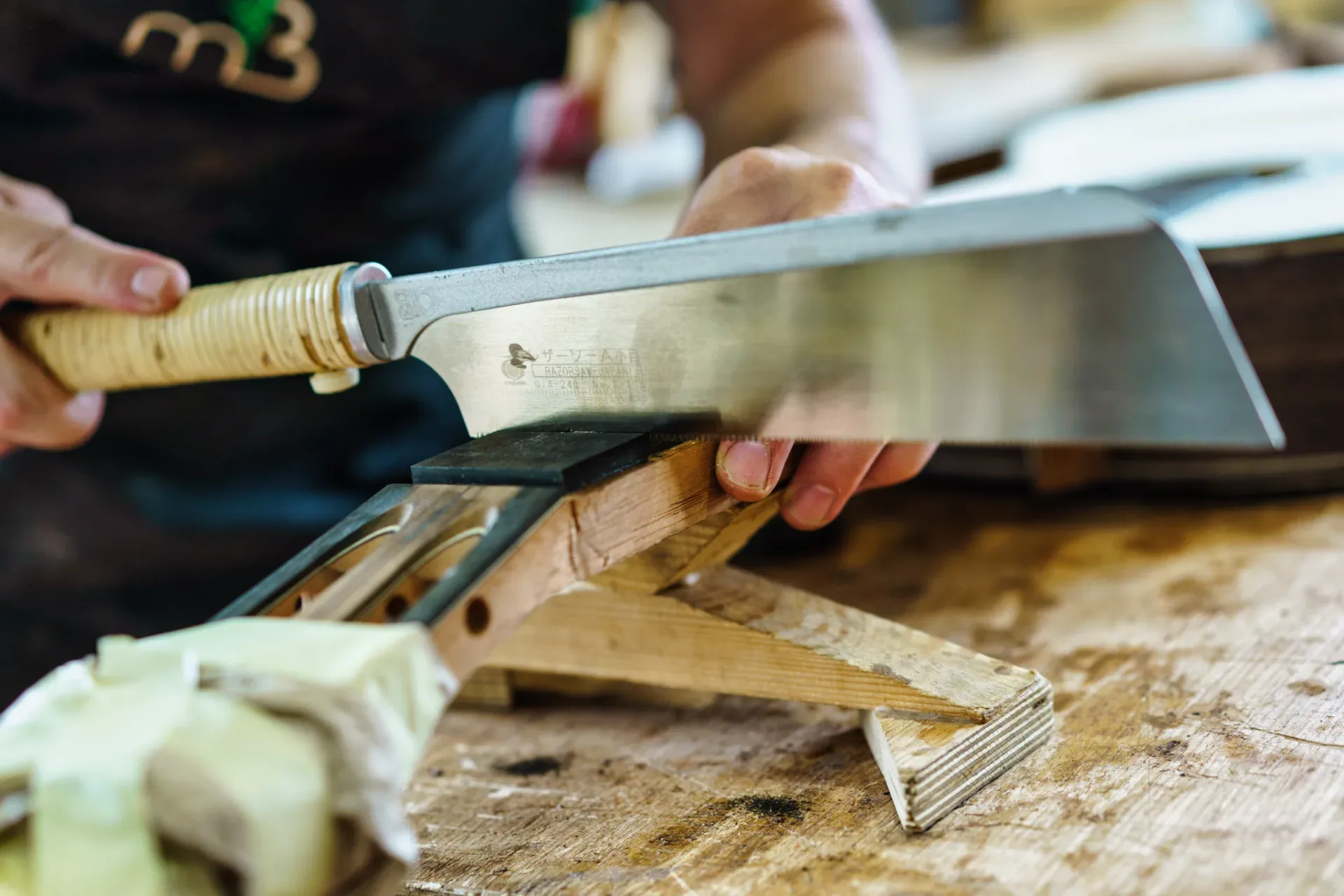
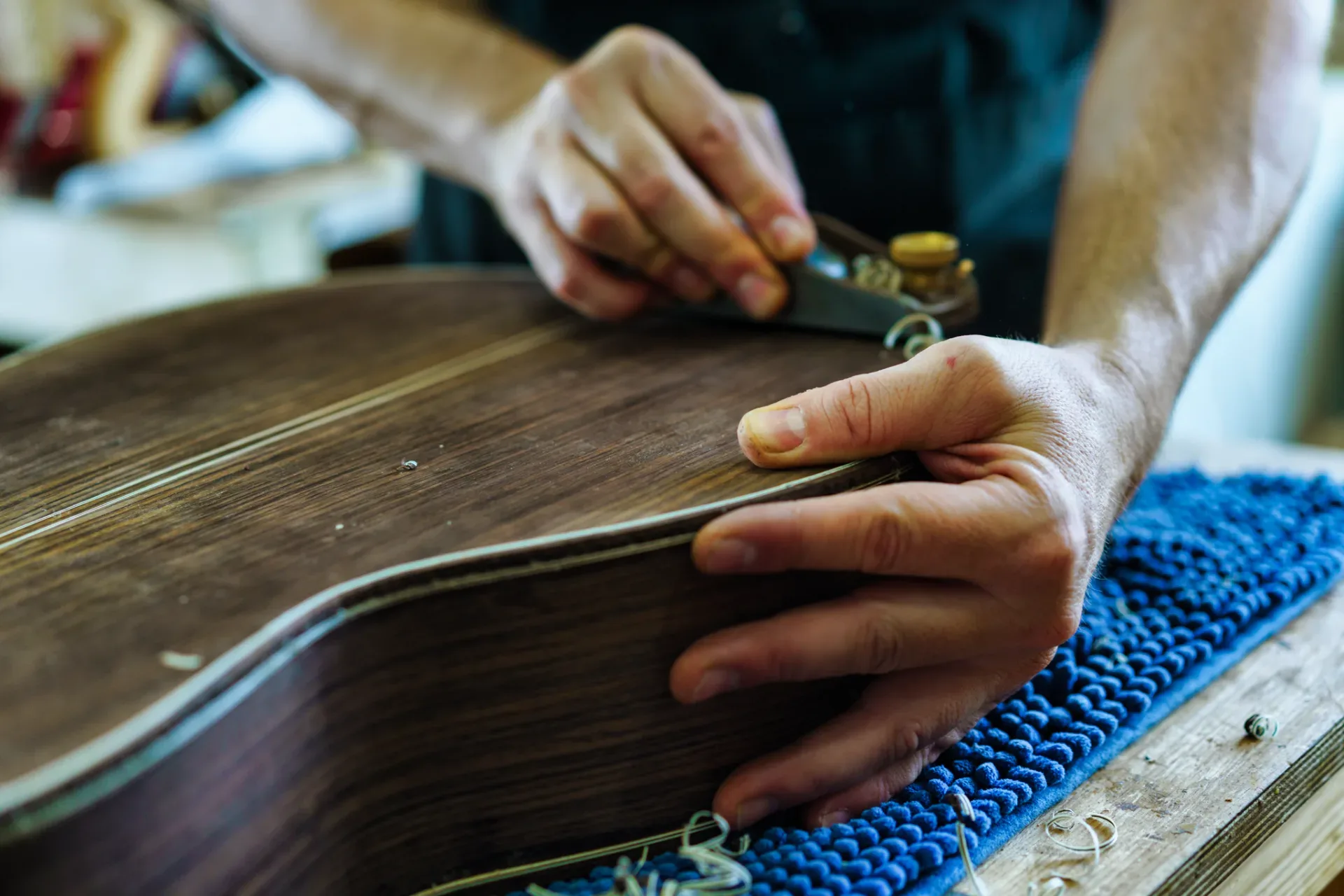
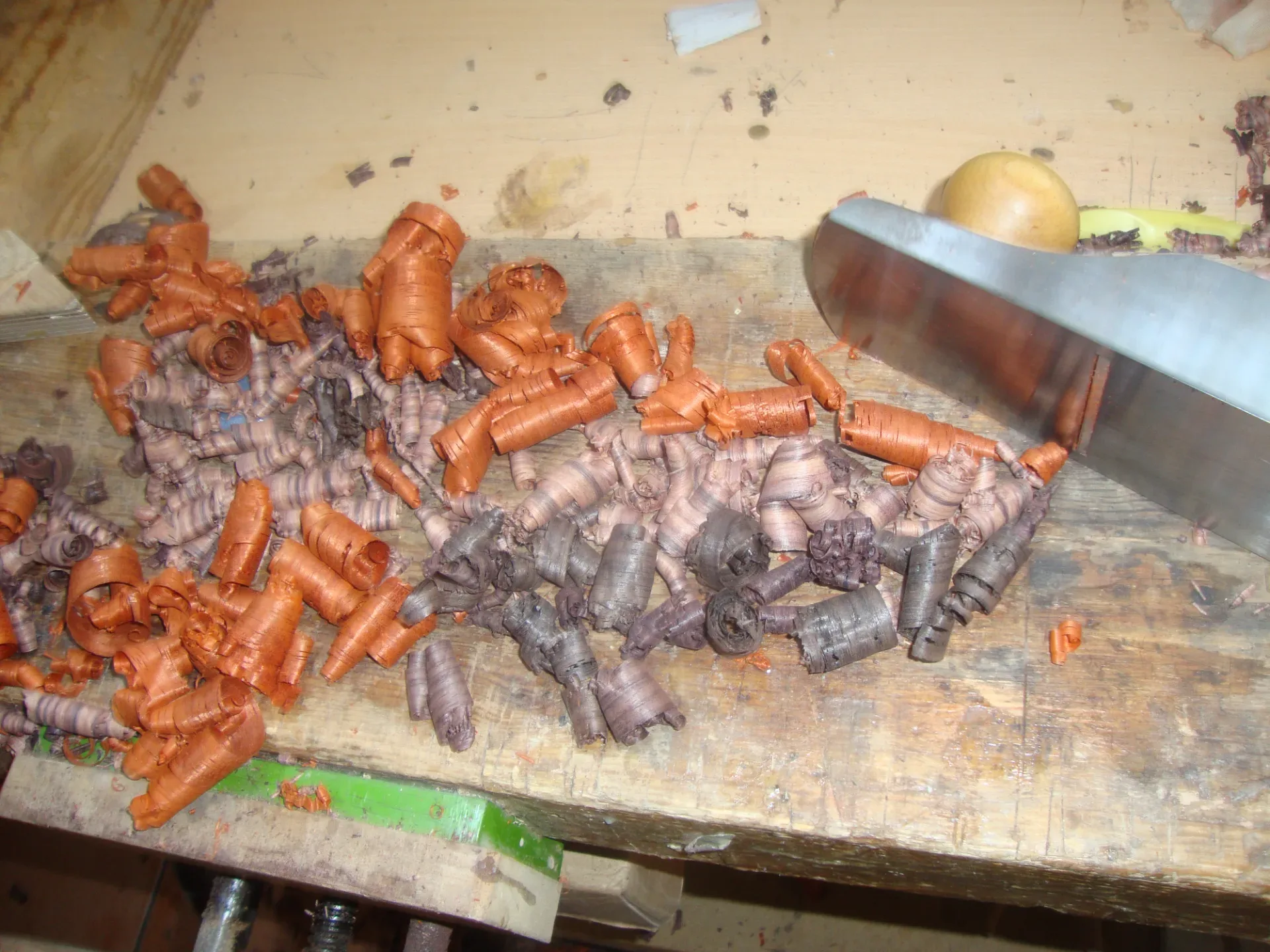
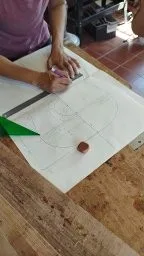
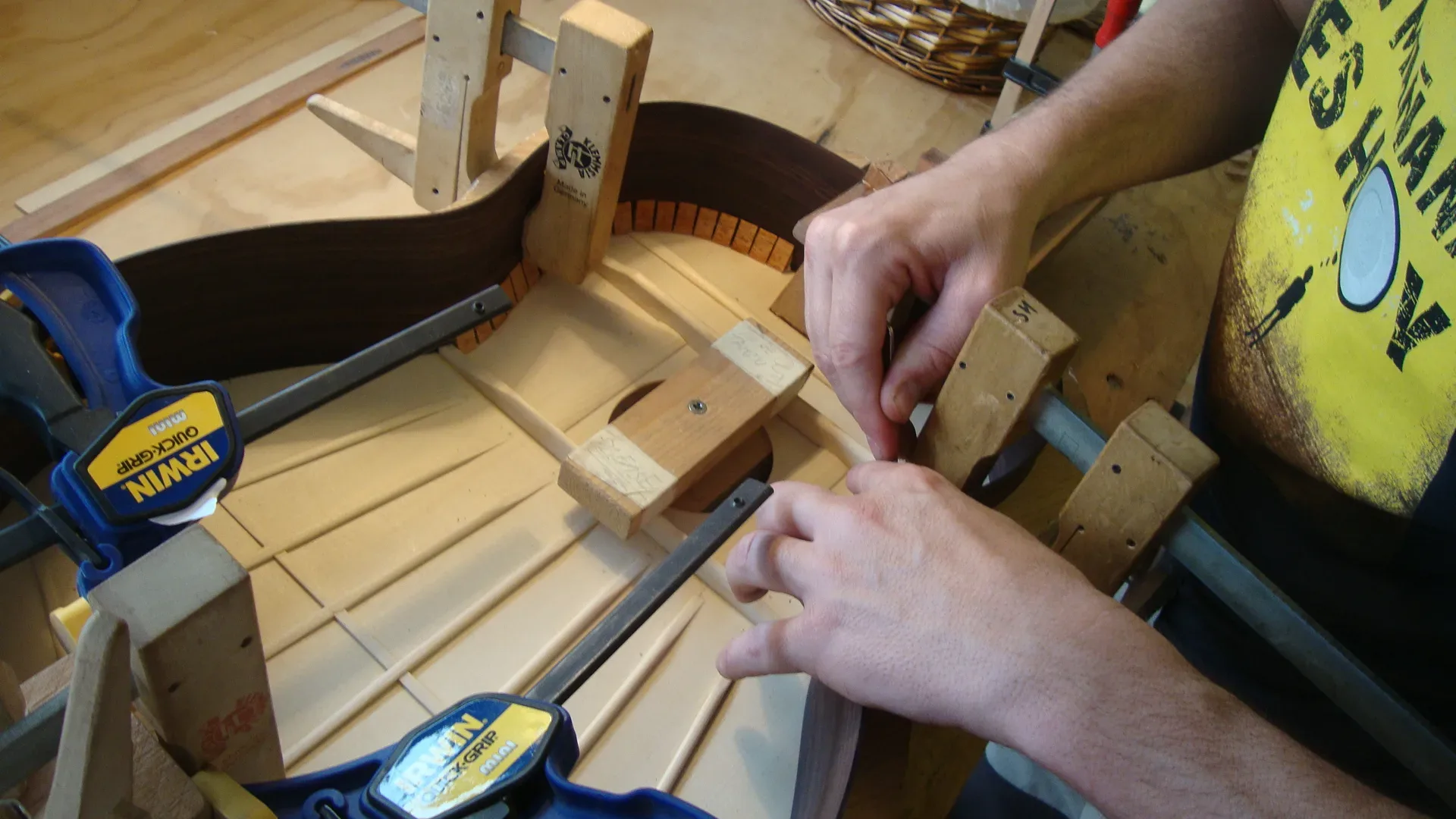
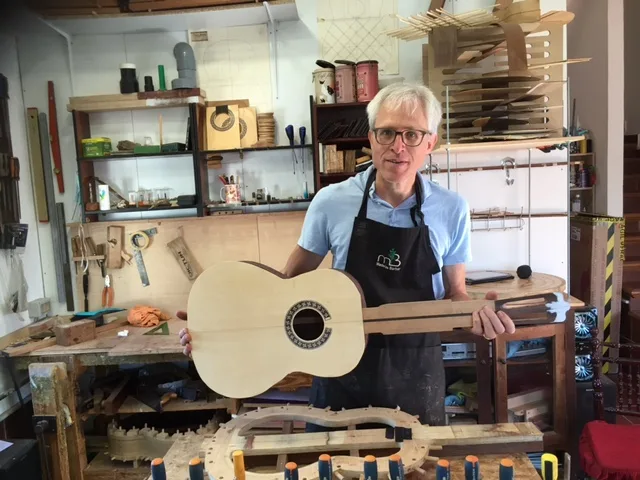
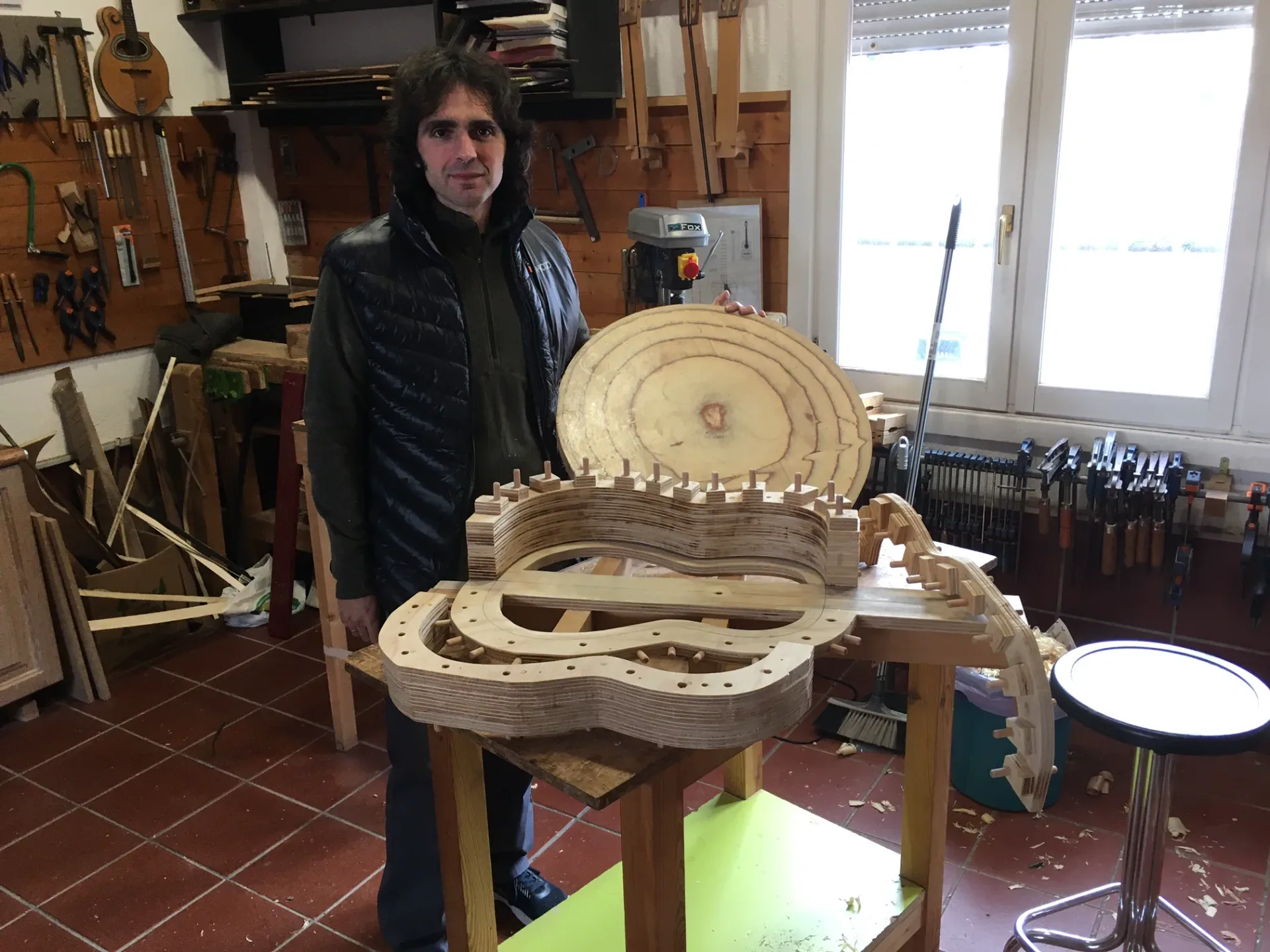
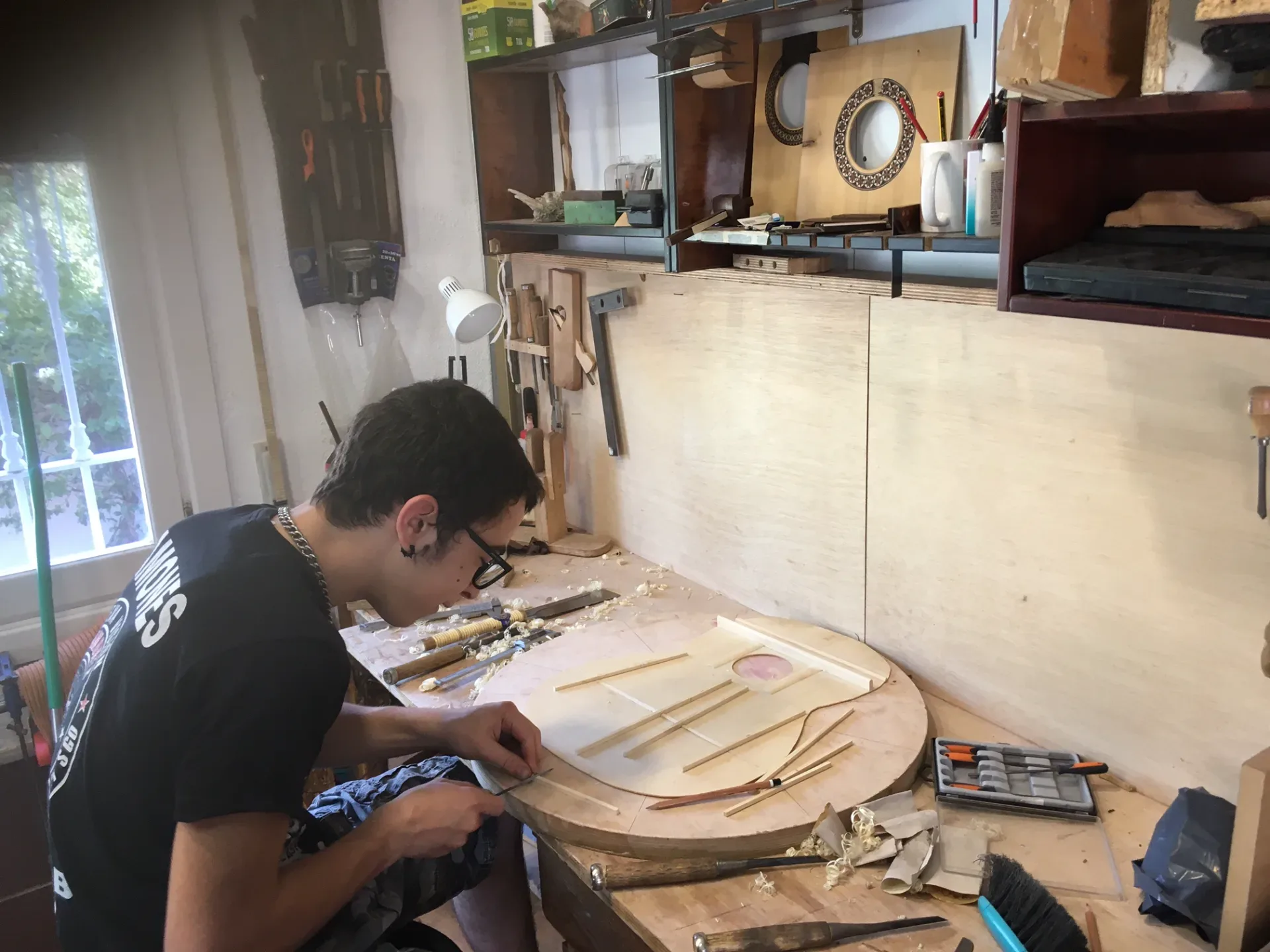
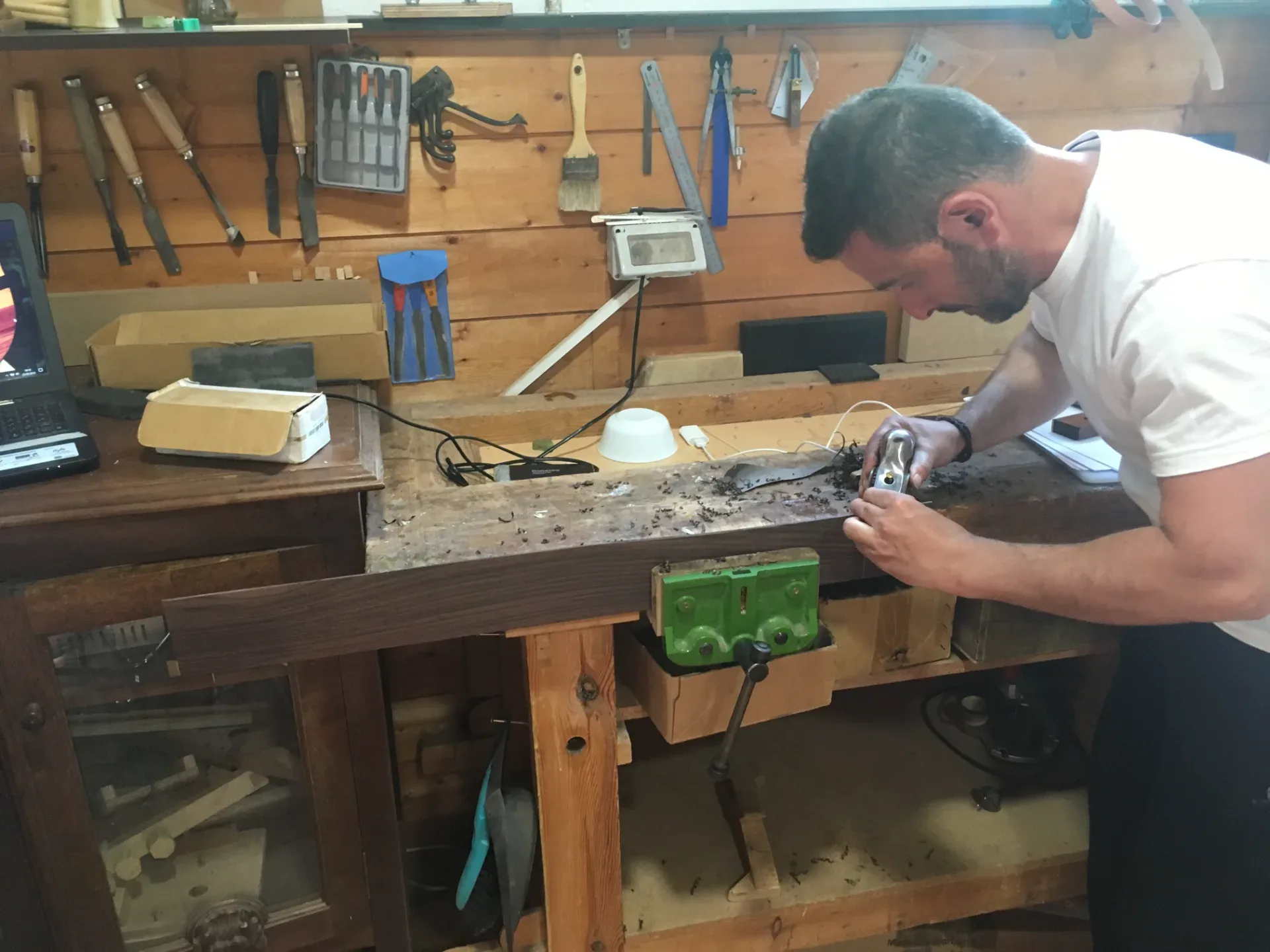
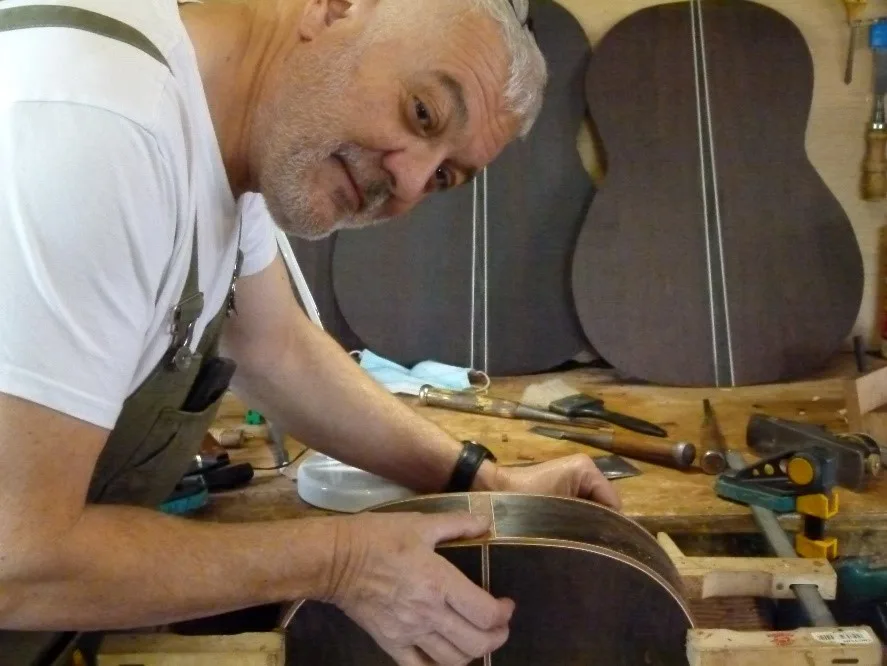
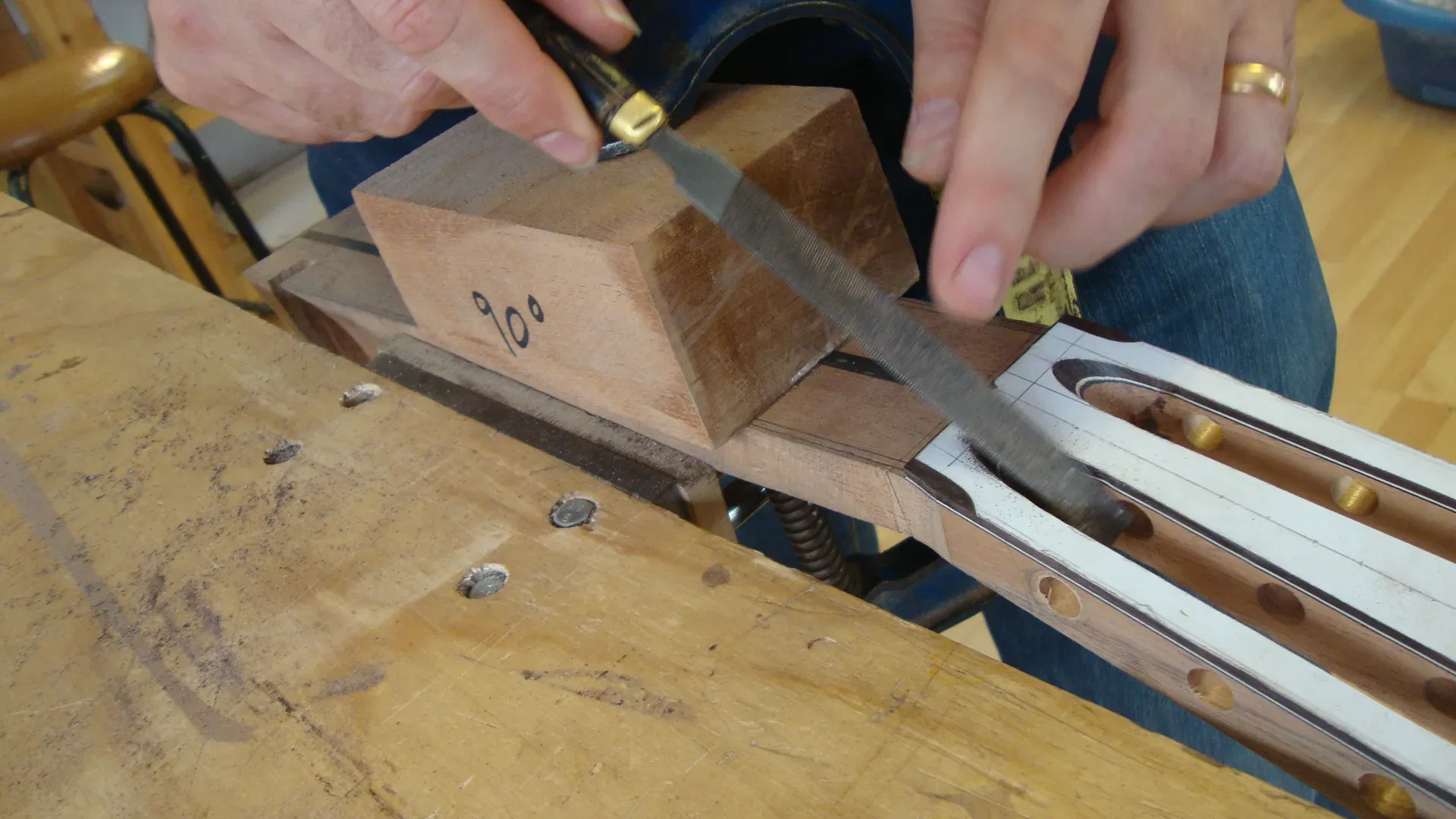
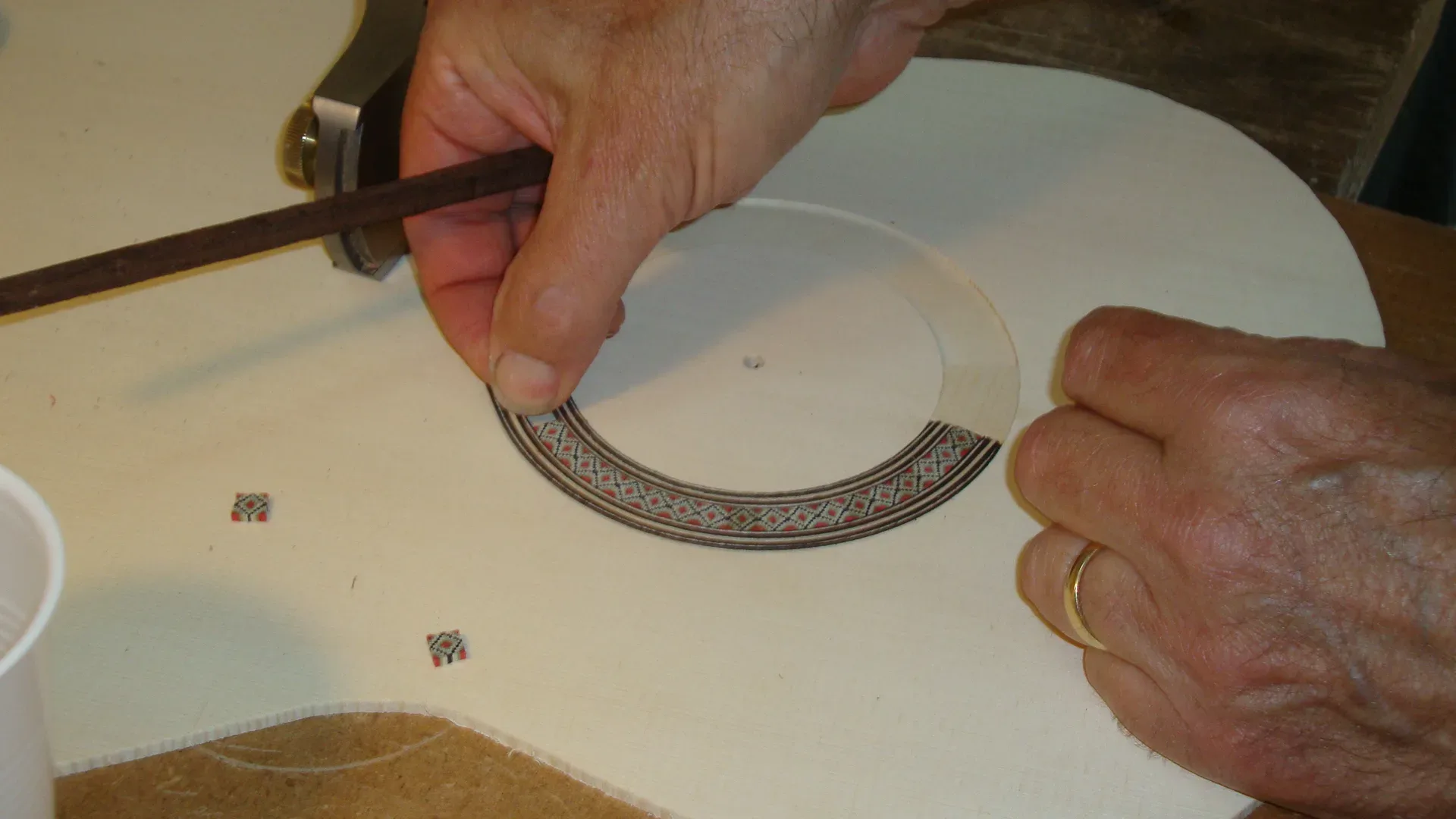
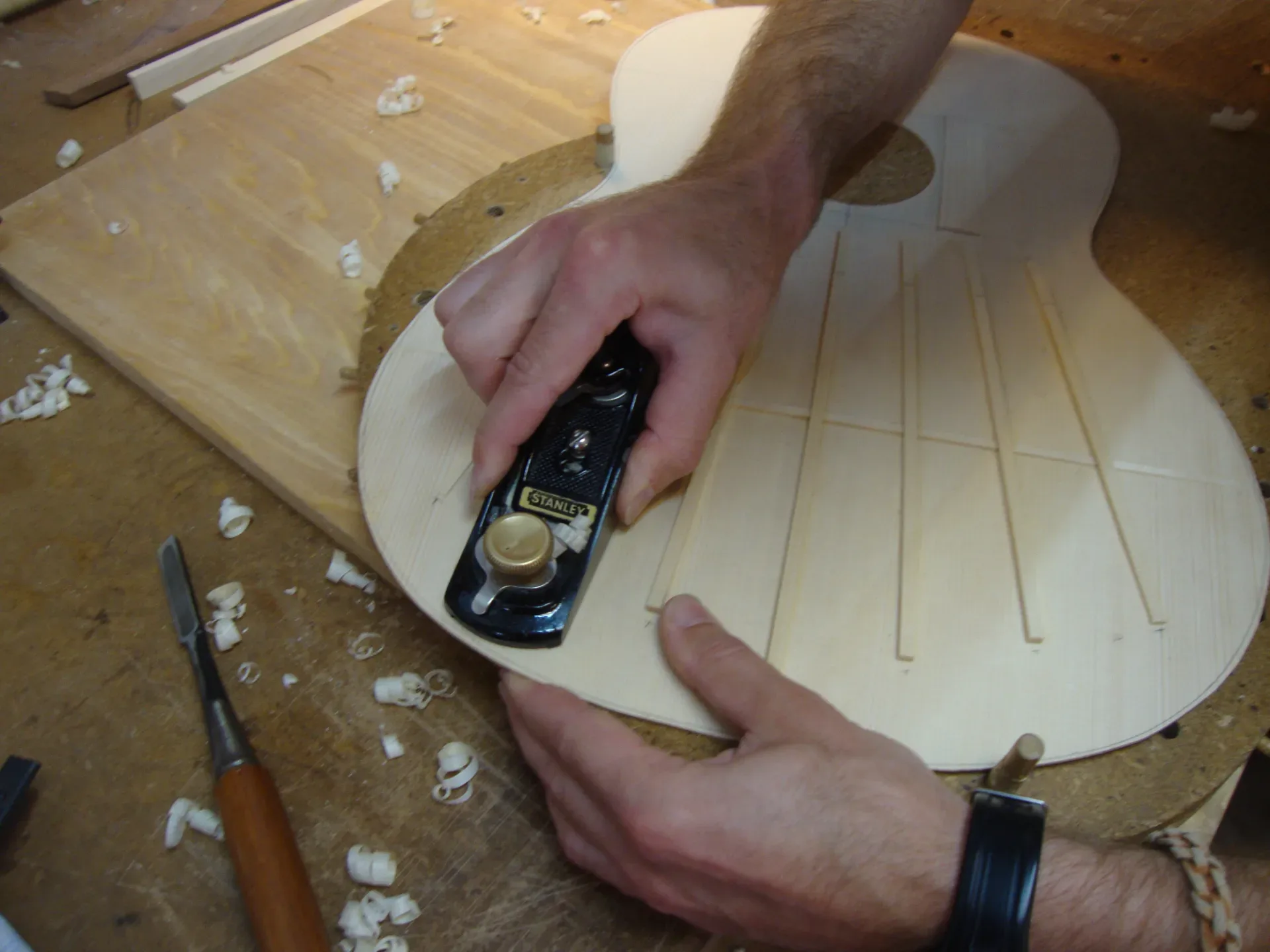
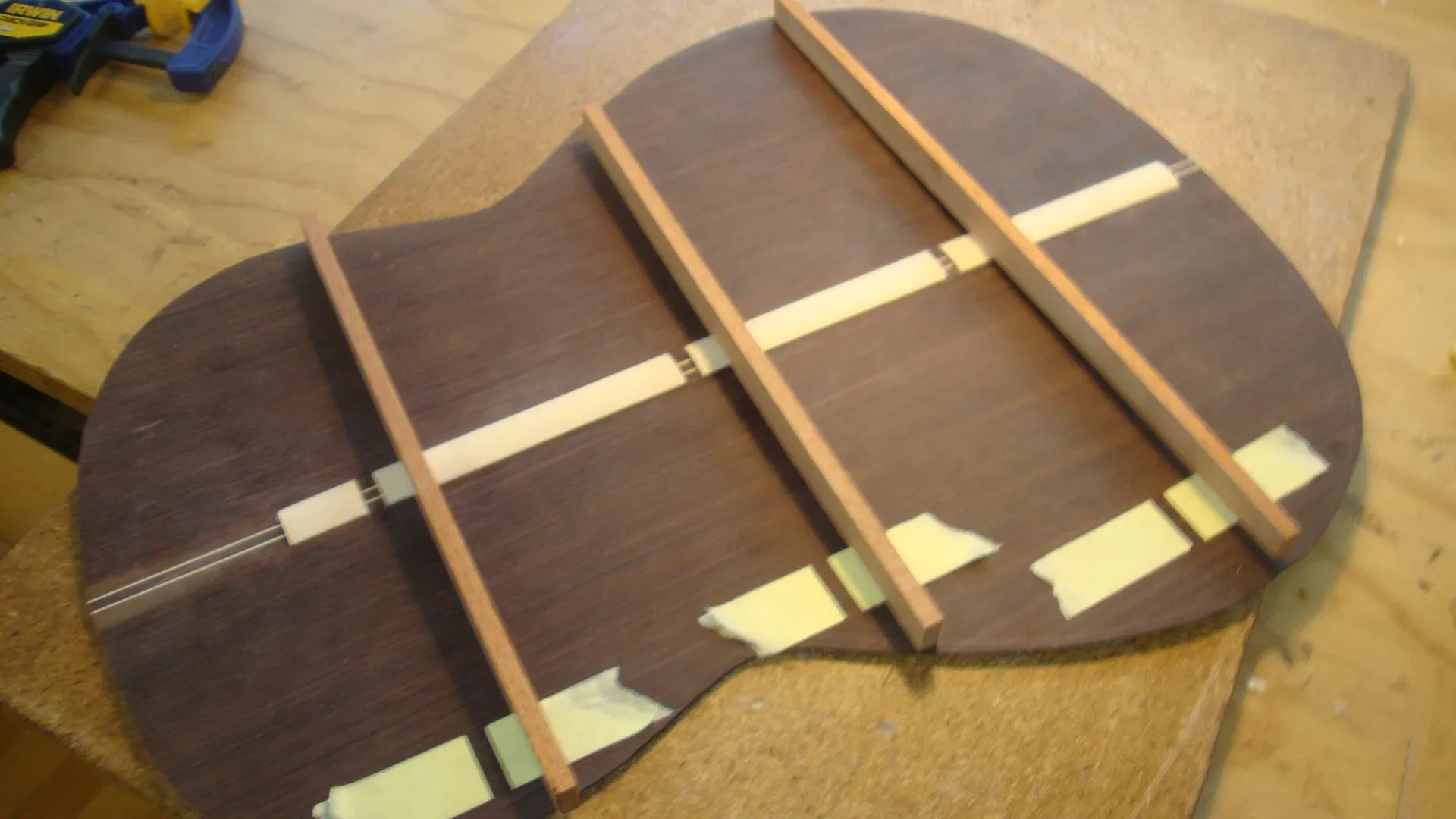
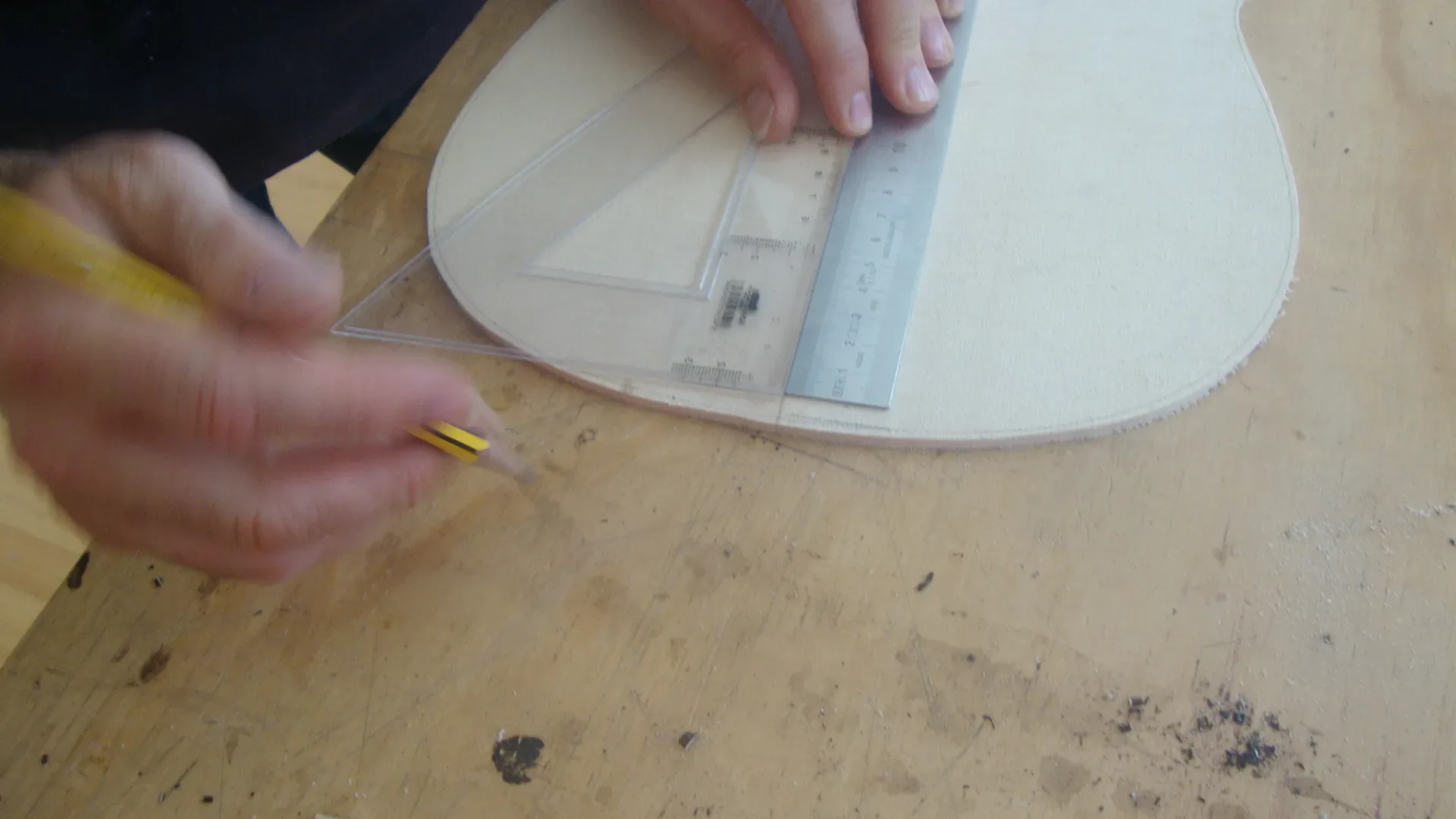
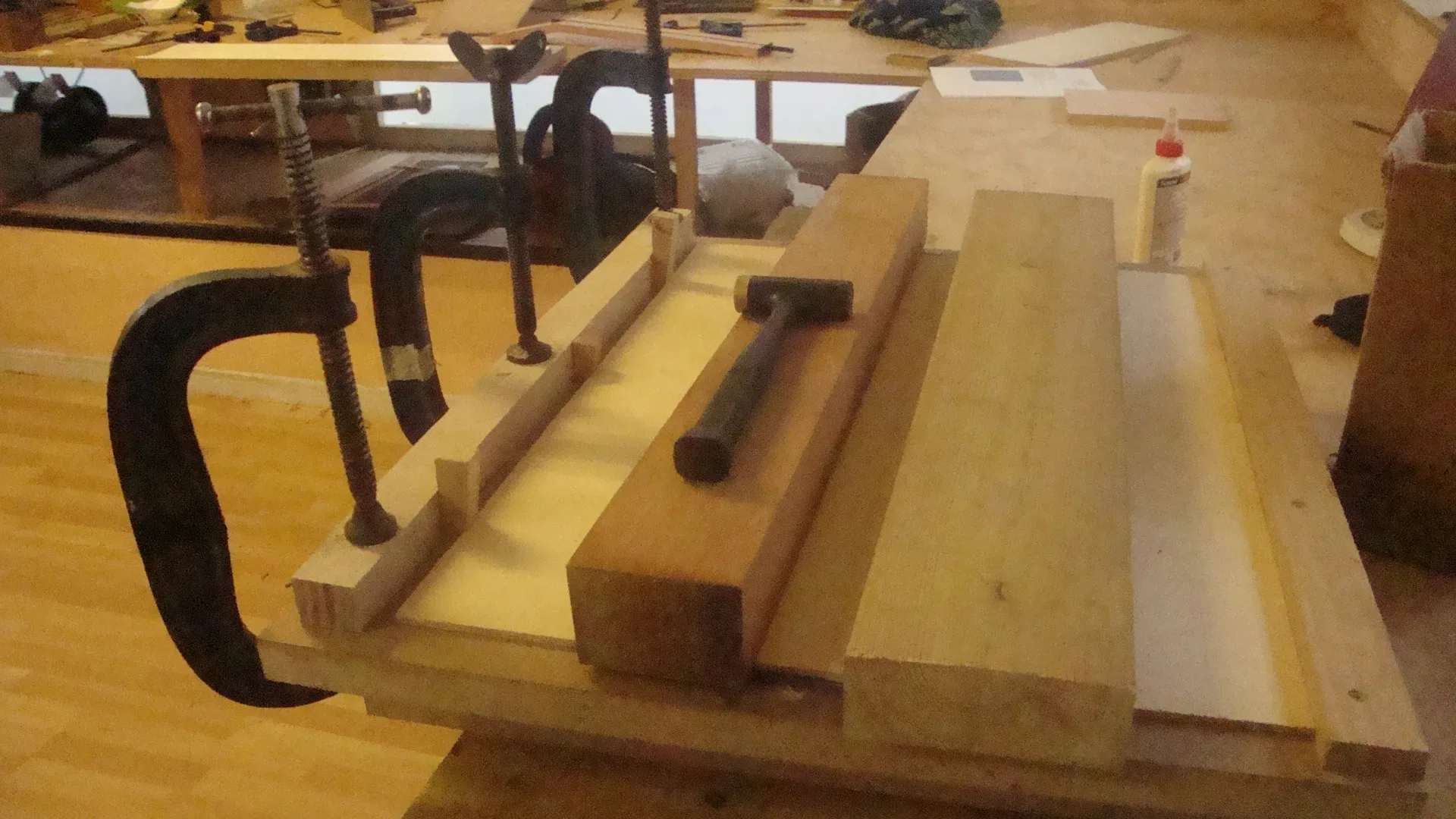
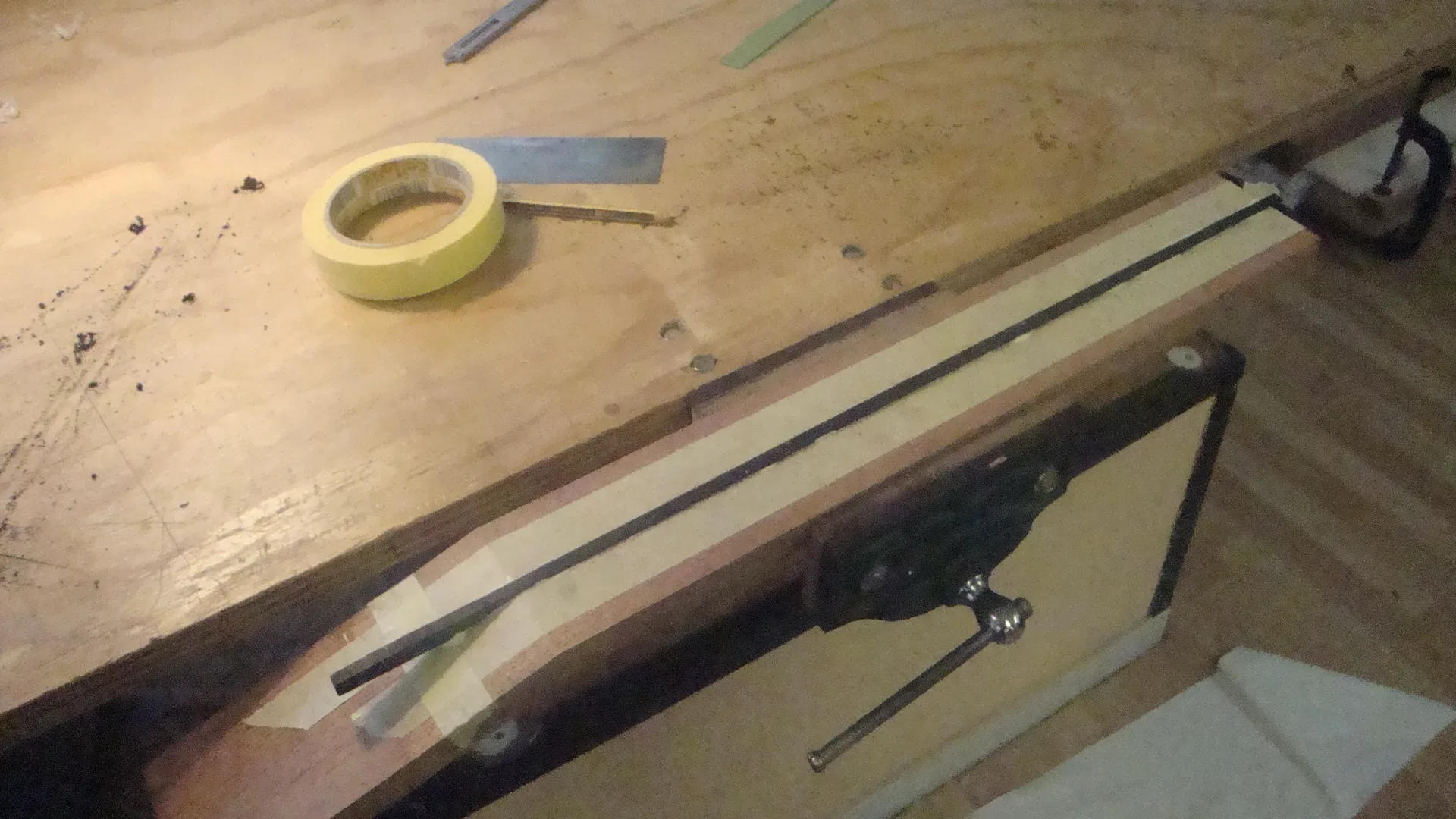
This may be one of the most important ideas in the course, since the foundation of our learning will be based on traditional construction methods and knowing how to use fundamental tools in lutherie, such as planes, chisels, and others.
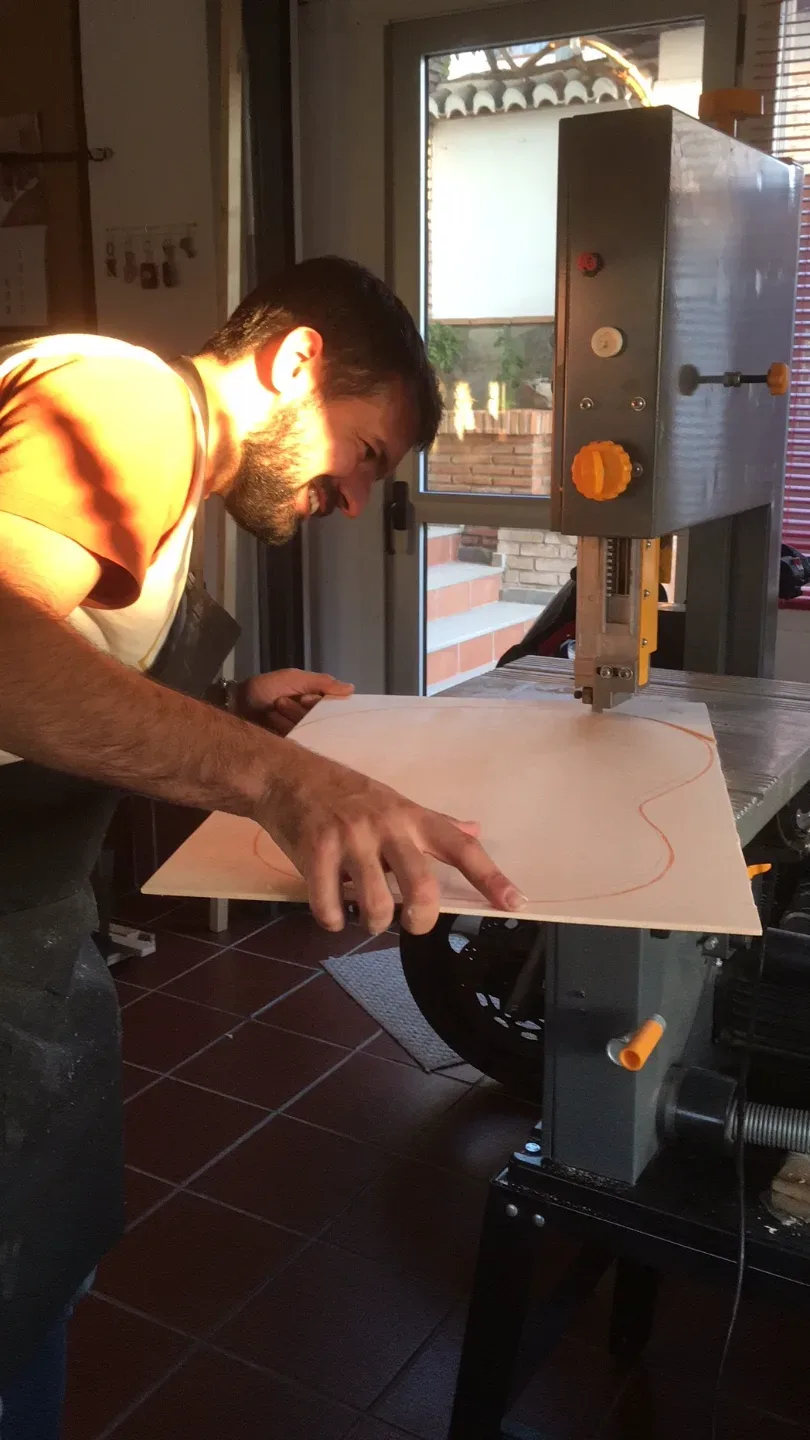
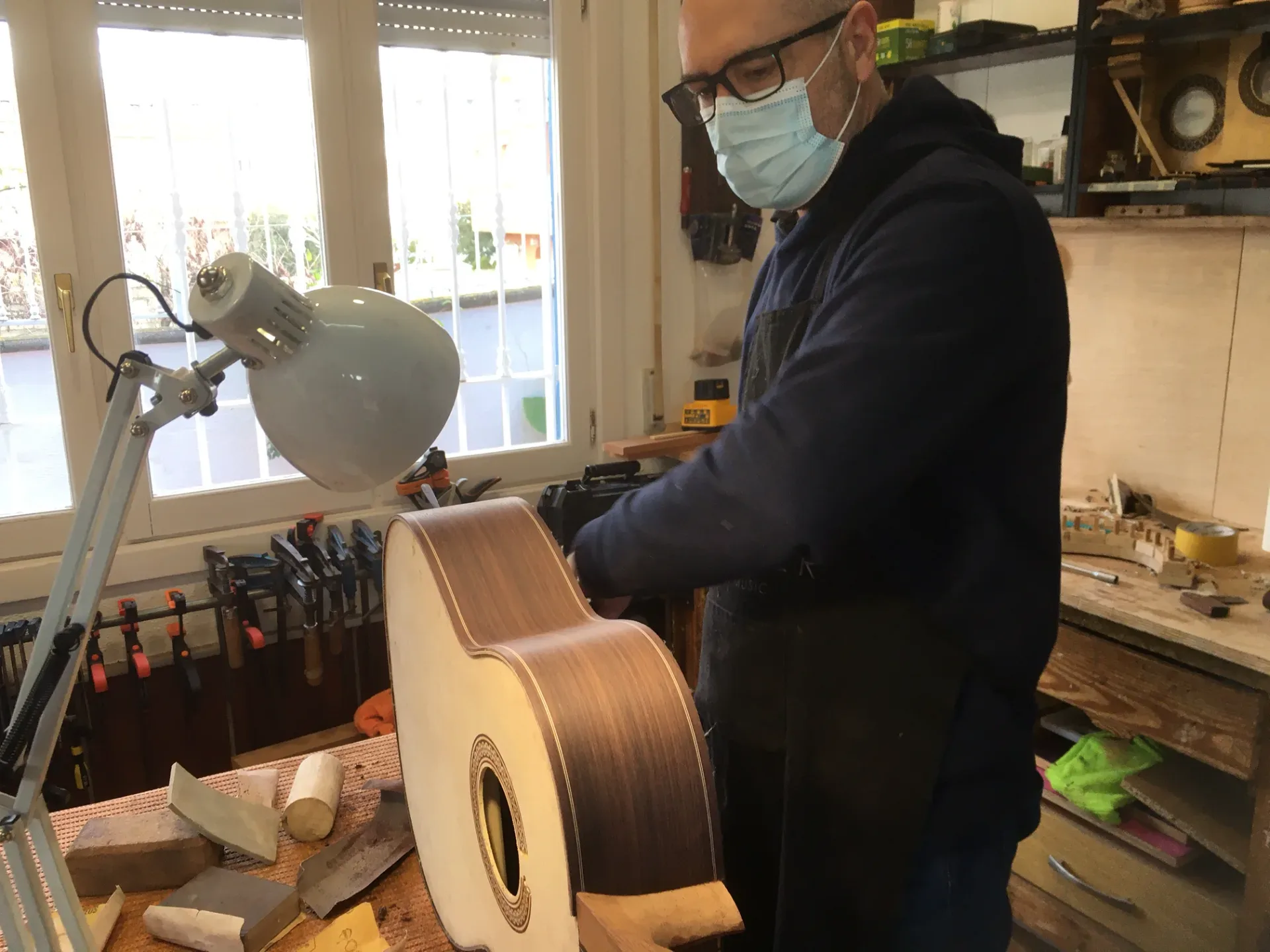
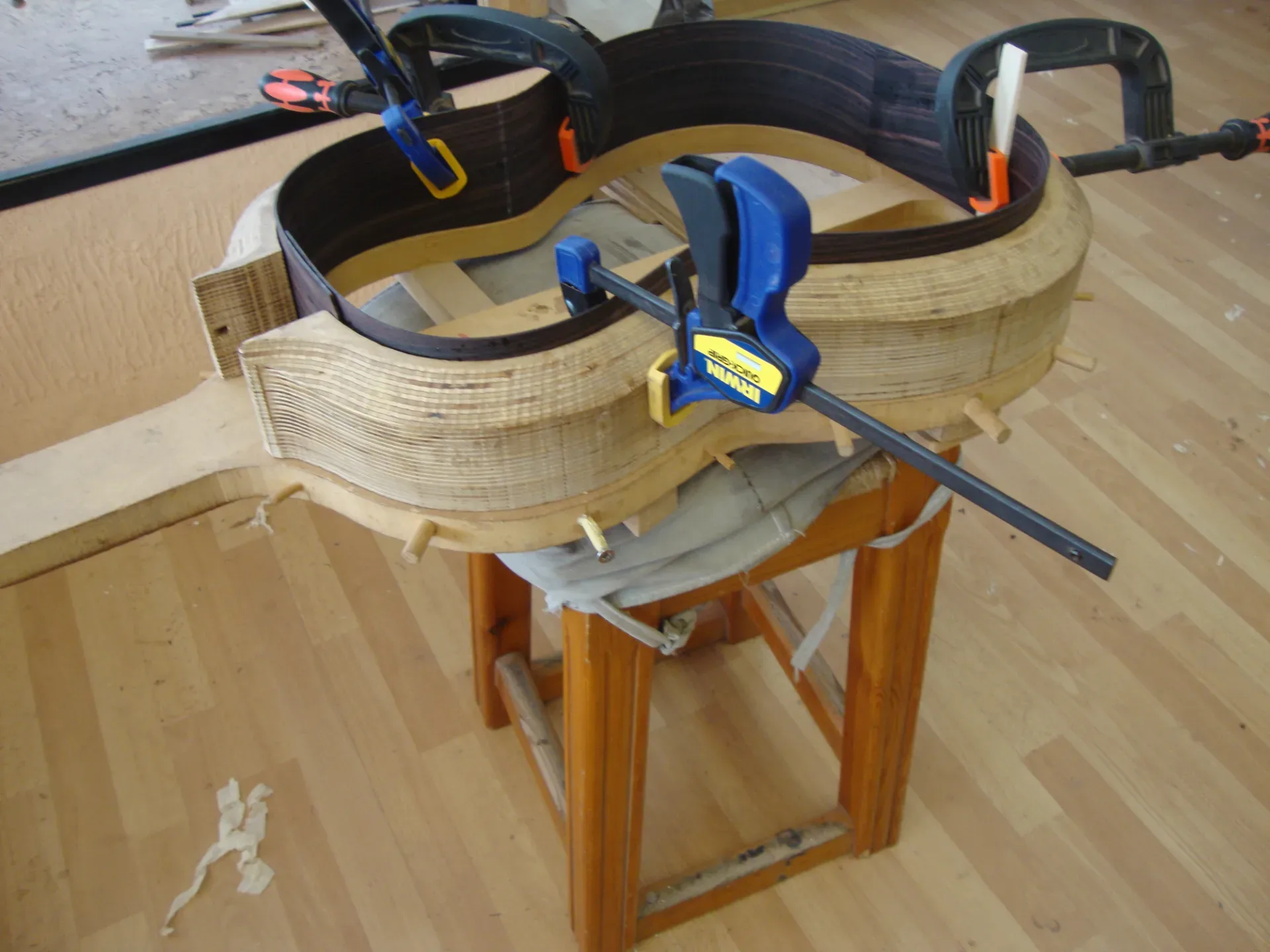
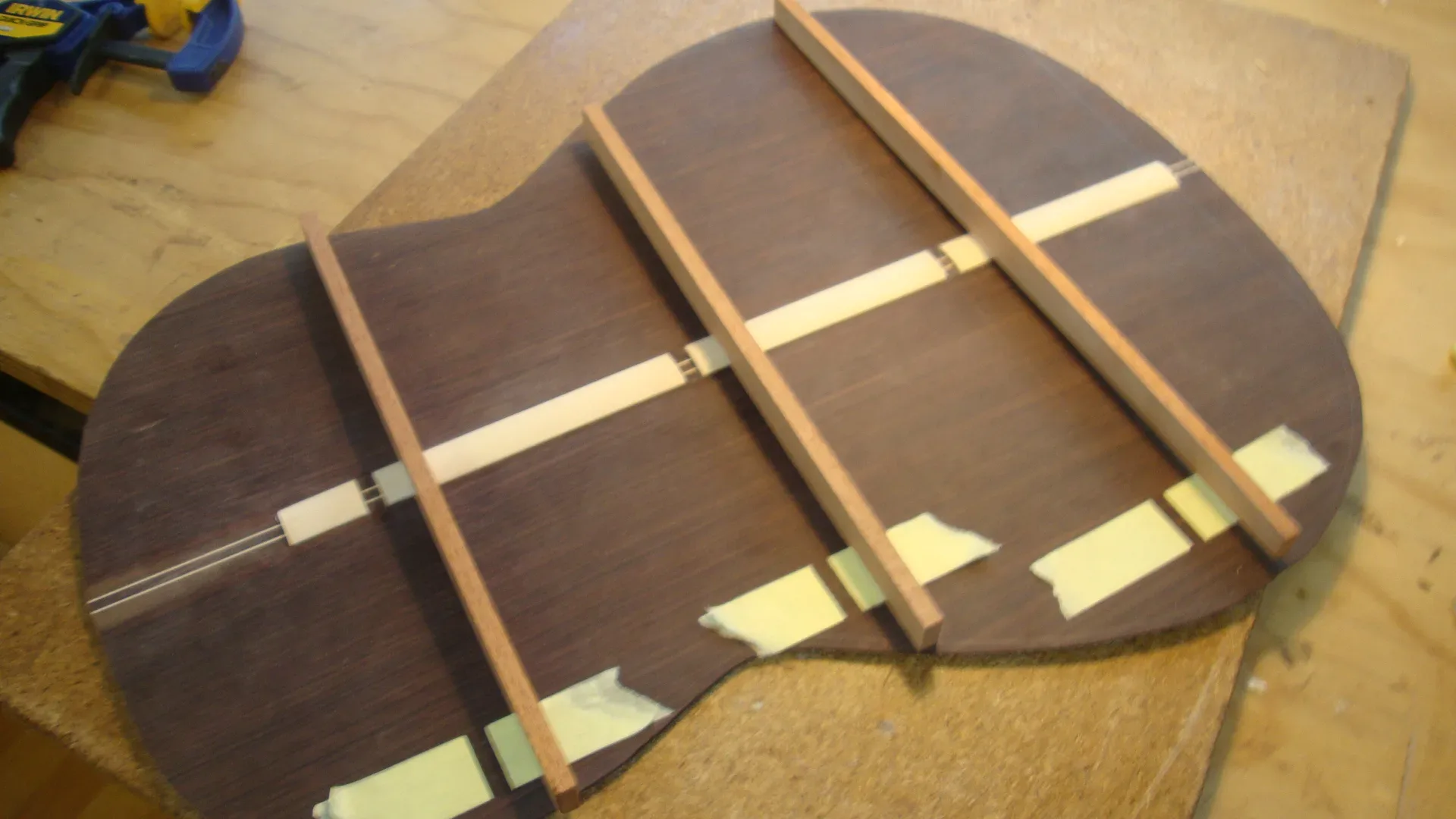
This means it’s not a “build your guitar in X amount of time” course or one that uses prefabricated parts; rather, it’s about learning to work with simple, old-fashioned tools to build a guitar from scratch—that is, starting with the raw materials. This is very important, because we don’t mechanize any process that our students wouldn’t be able to replicate in their own workshops—unless they invest in expensive and numerous tools and machines.
“Working with your hands and senses to awaken new skills”
-Fourth idea: teaching a method accessible to everyone.
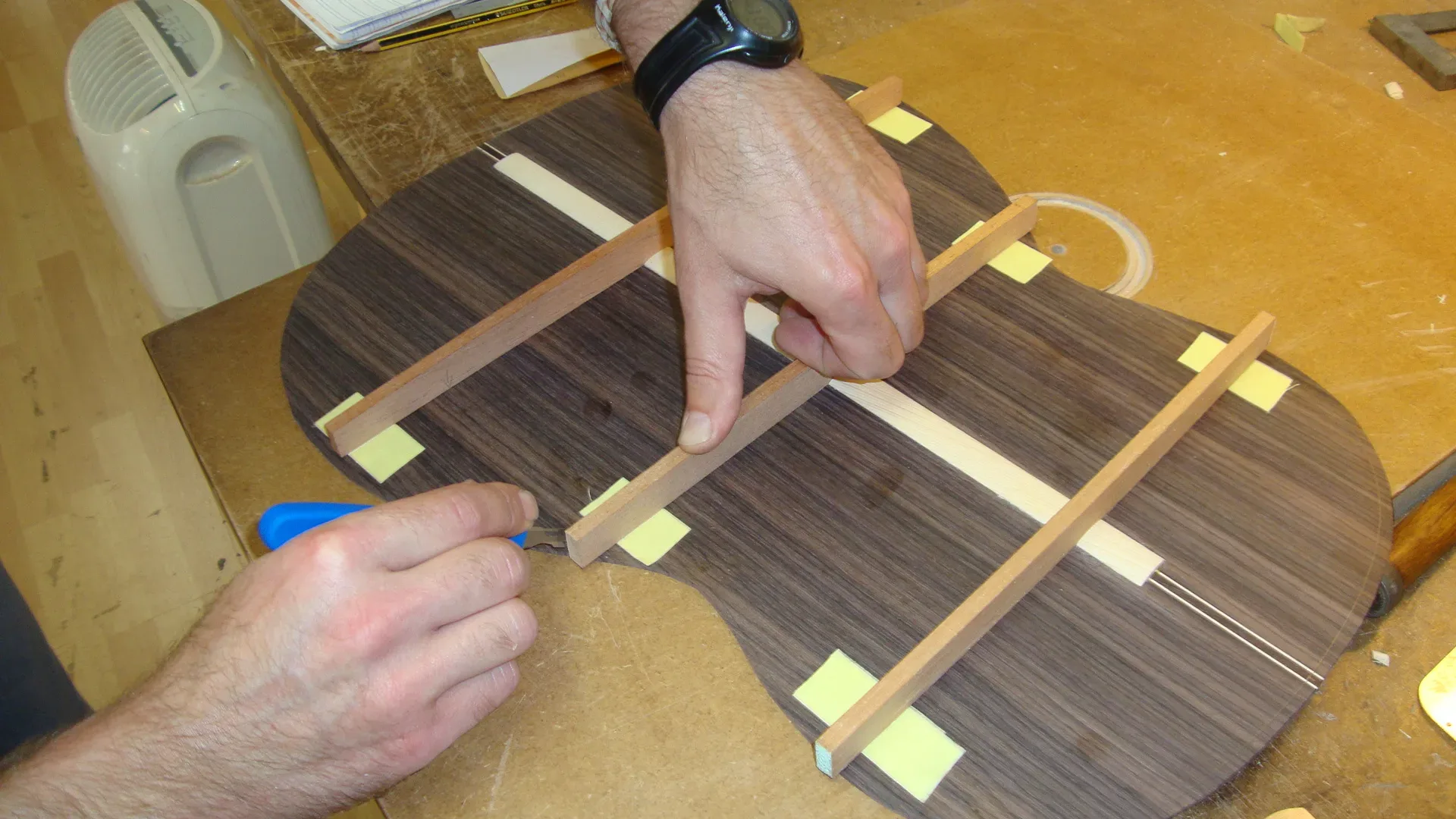
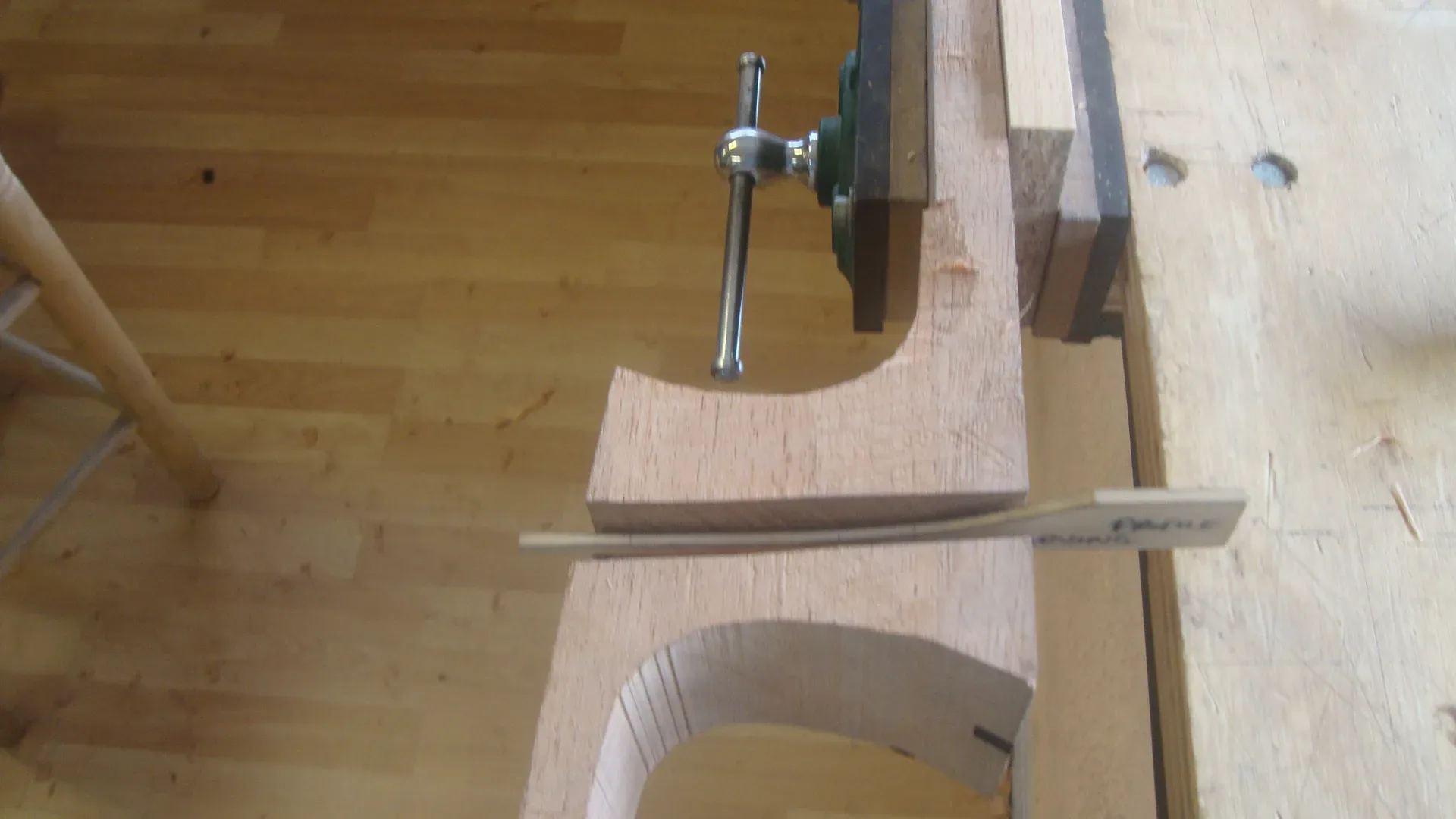
This concept helps alleviate fears and doubts about the difficulty of building a guitar. How do we do this? We’ve designed a system where, to tackle any challenging element, we break it down into small, easy-to-execute tasks so that, little by little, we can reach that big goal. And, of course, always with the help and supervision of the instructor,
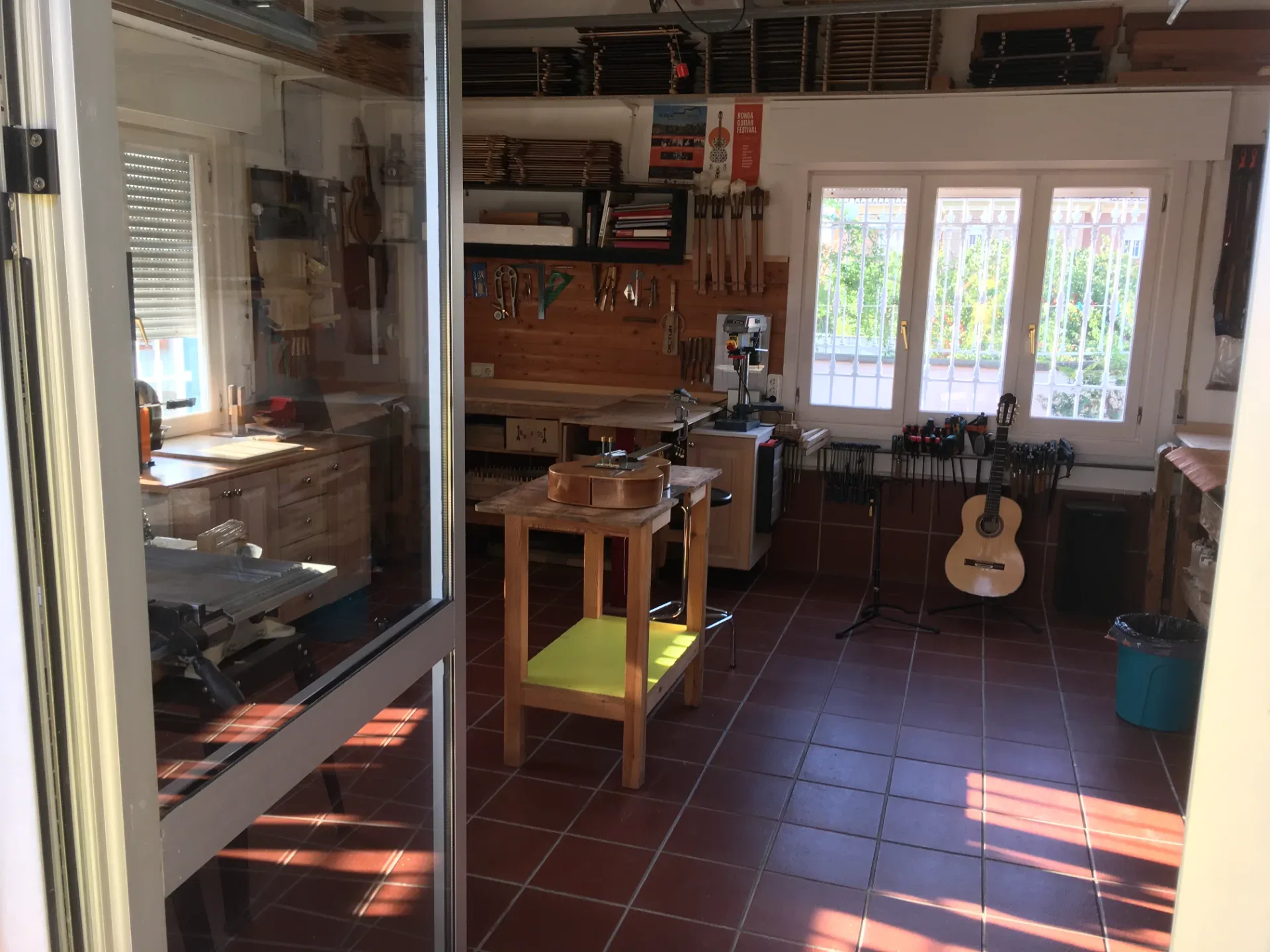
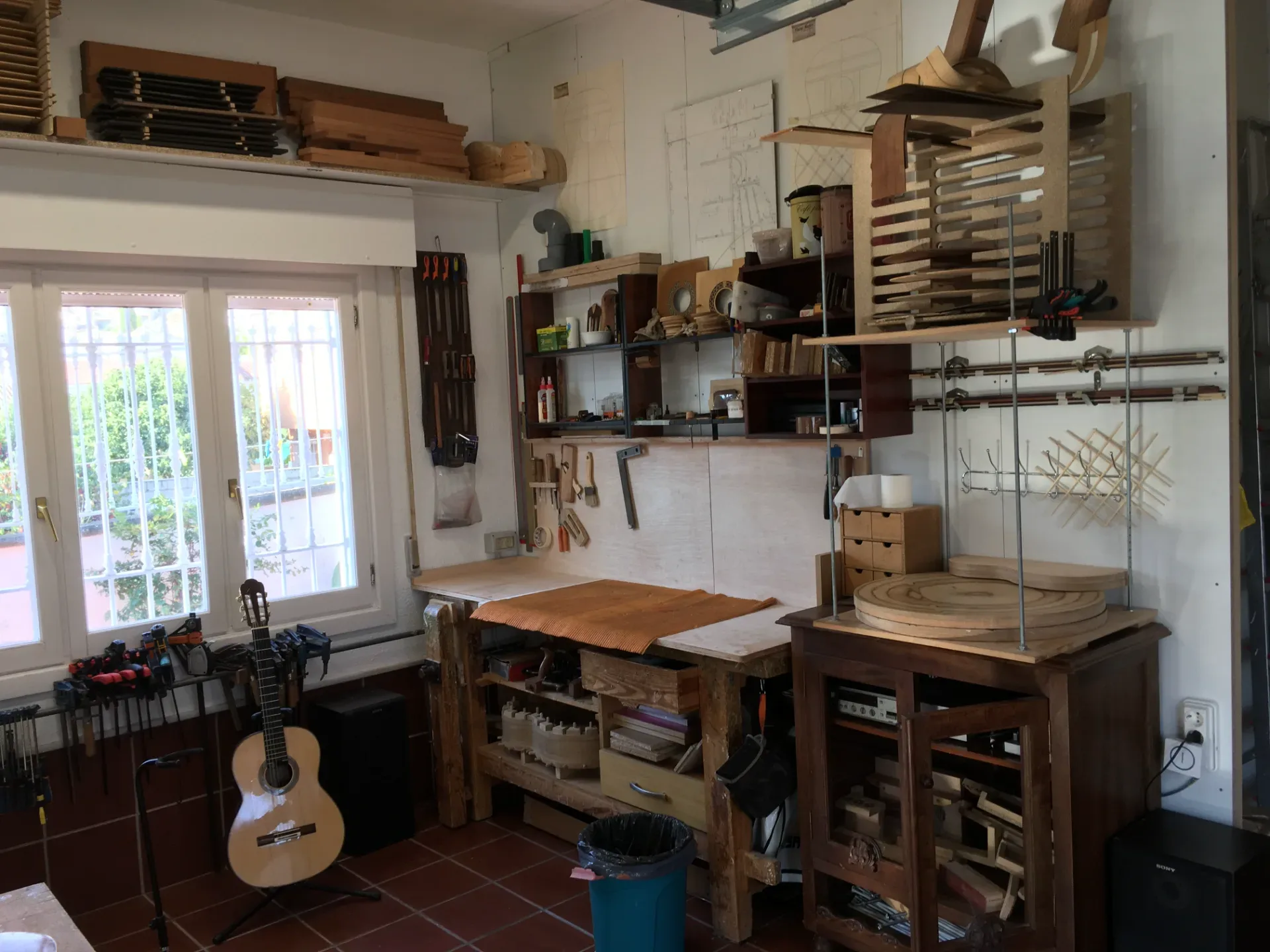
-Fifth point: We are not a school, nor do we focus exclusively on offering courses.
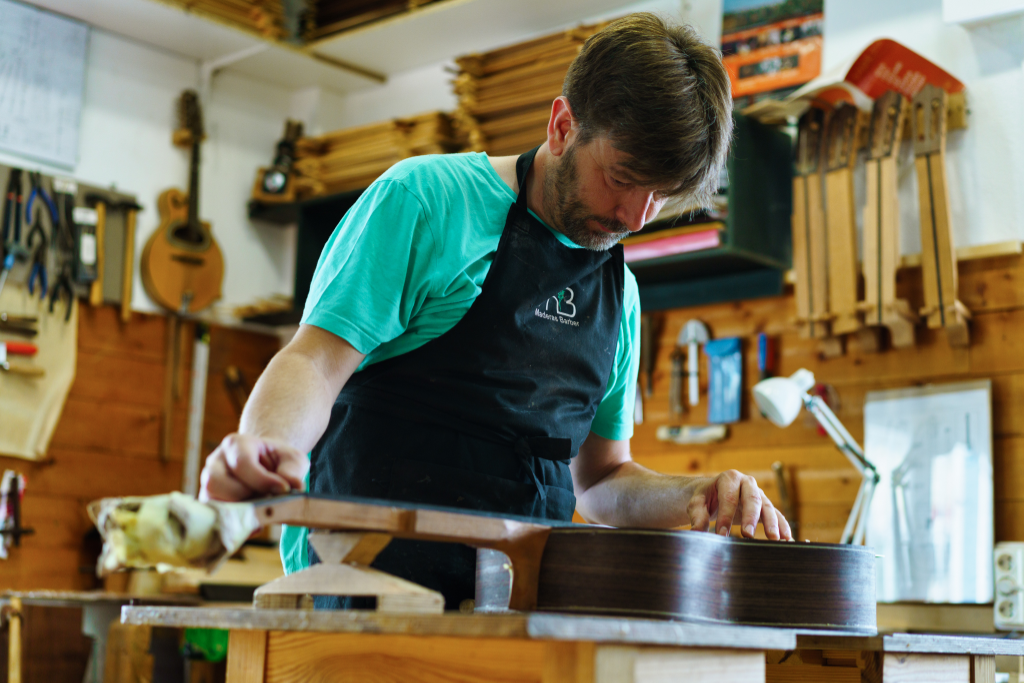
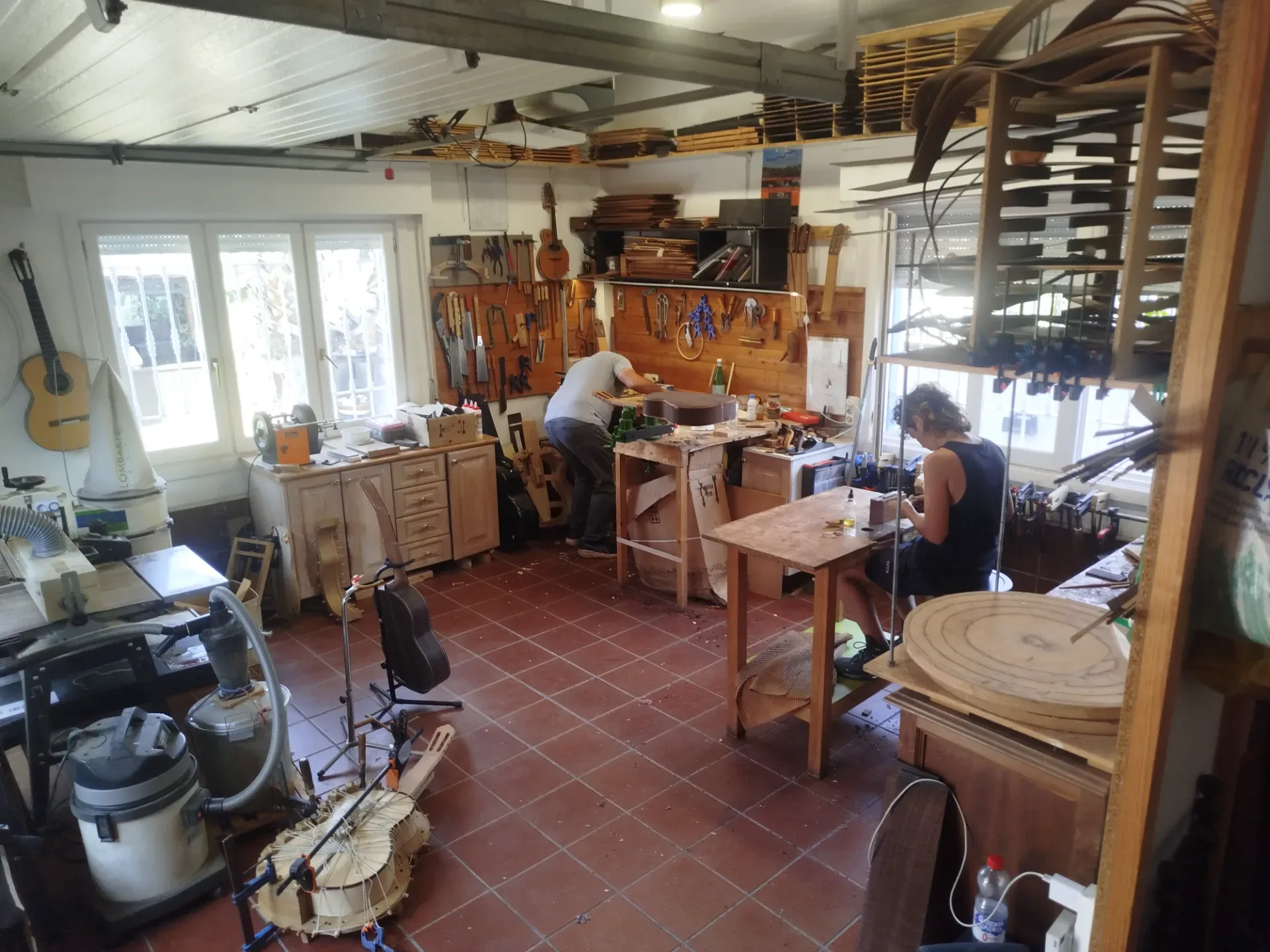
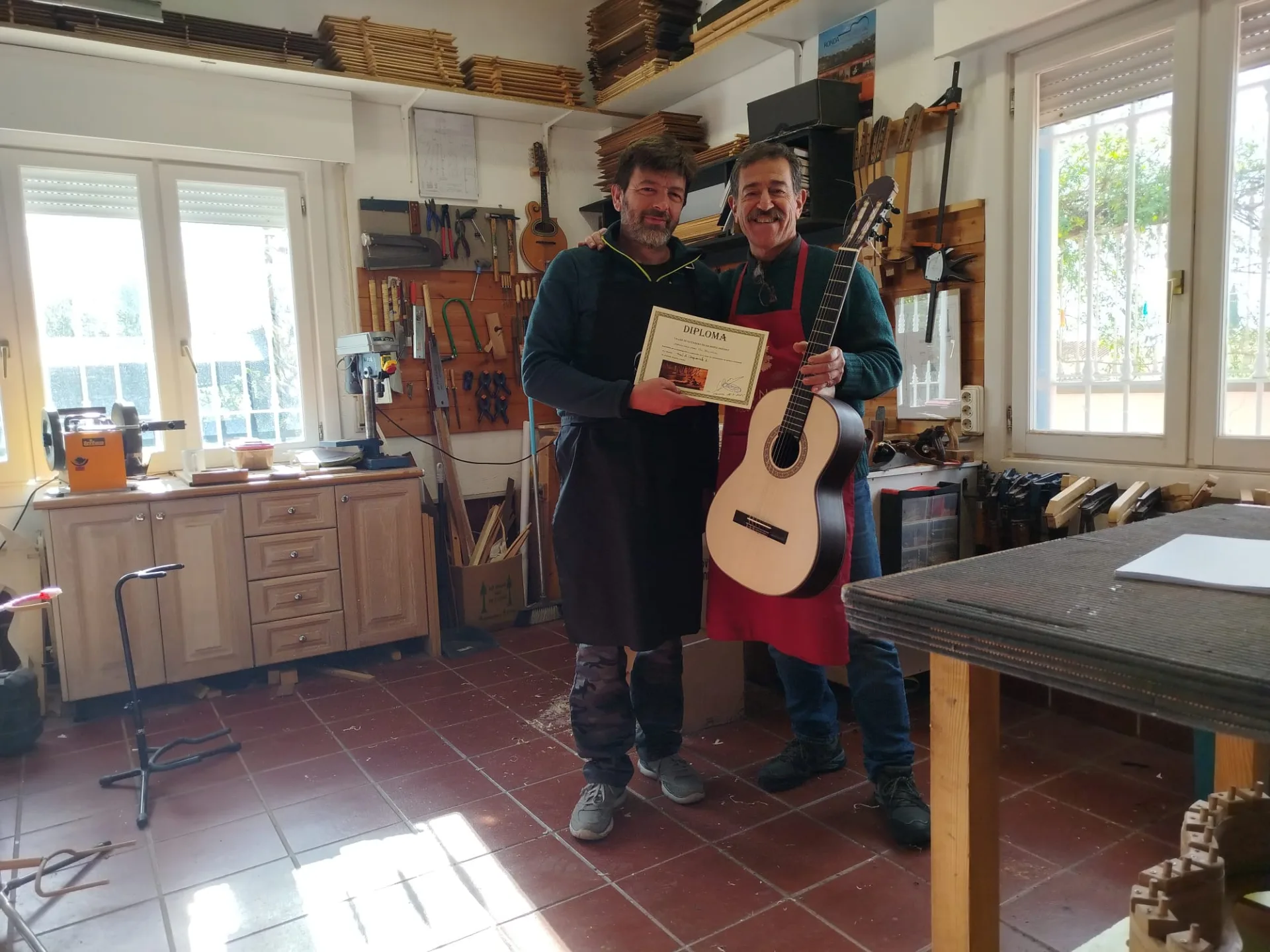
You’ll be coming to a guitar-building workshop where our primary activity is building guitars, but from time to time, we schedule courses to share our knowledge and make it an unforgettable, personal experience—one that I’ll lead myself.